
How Do I Know What Size Socket I Need?
Disclaimer: This post may contain affiliate links. As an Amazon Associate, we earn from qualifying purchases.
Got a stubborn bolt that won’t budge and reached for your socket wrench, only to wonder which size socket you actually need? You’re not alone. This post walks you through a few simple ways to figure out the right socket size for the job. Soon you’ll be loosening bolts with confidence.
What is a socket?
Definition of socket
A socket is a tool that tightens or loosens nuts, bolts, and screws. It’s a cylindrical metal piece with six or twelve sides inside, called points, and a square hole on one end. That square hole is the drive, and it connects to a ratchet, wrench, or power tool so you can apply turning force, or torque, to the fastener. A socket belongs in every toolkit, from weekend DIYers to working mechanics. For a look at the go-to sizes the pros keep on hand, see our rundown of the sockets mechanics actually use day to day.
Types of sockets
Sockets come in several types, each built for a different job. Here are the ones you’ll run into:
- Standard sockets: The everyday sockets you’ll reach for most often. They have a regular depth, around 1 inch, and handle general work.
- Deep sockets: Taller than standard sockets so they can reach fasteners tucked into tight or recessed spots. Reach for these when you’re dealing with long bolts or studs.
- Spark plug sockets: Made for removing and installing spark plugs. A rubber insert inside grips the plug firmly so it doesn’t get damaged on the way in or out.
- Impact sockets: Built to take the hard hits from impact tools. They’re made from hardened steel, so they won’t crack or shatter under heavy use.
- Hex sockets: Six-sided sockets that fit hexagonal bolts and set screws. You’ll see these often in machinery and equipment assembly.
- Torx sockets: These have a star-shaped tip for torx screws, which turn up a lot in electronics, cars, and computers.
Knowing these types makes it easy to grab the right socket for whatever you’re working on.


Understanding socket measurements
Metric socket sizes
Metric sockets are the standard across Europe and Asia. They’re measured in millimeters, and you’ll see sizes like 8mm, 10mm, 13mm, 17mm, and 19mm. The number is the distance across the socket from one flat face to the opposite one.
Imperial socket sizes
Imperial sockets are the norm in the United States and a few other countries. They’re measured in inches, with sizes like 1/4, 3/8, 1/2, 5/8, and 3/4 inch. As with metric, the number tells you the distance across the flat faces of the socket.
Socket size conversions
When a job mixes metric and imperial fasteners, knowing the rough equivalents saves time. Here are the conversions worth memorizing:
- 10mm is close to 3/8 inch
- 13mm is close to 1/2 inch
- 17mm is close to 11/16 inch
- 19mm is close to 3/4 inch
These are close matches, not exact ones. When you can, grab the socket that’s made for the fastener you’re turning.
Socket size markings
The size is stamped on the body of the socket or near the square drive. Metric sockets often show an “M” before the number, like M10 for 10mm. Imperial sockets use fractions like 1/4, or sometimes a decimal like 0.25 for a quarter inch.


Determining socket size
Method 1: Reference the fastener
Check the fastener first. Plenty of nuts, bolts, and screws have the size stamped right on the head or side. Match that number to the socket and you’ve got your fit.
Method 2: Measure directly
No marking, or the stamp has worn off? Measure it yourself with a caliper or ruler. Measure across the flat sides in millimeters for metric, or in inches for imperial.
Method 3: Use a socket size chart
You’ll find socket charts online, in tool catalogs, and in the manual that came with your socket set. Look up your fastener size and the chart points you to the matching socket.
Method 4: Ask a professional
Still stuck? Ask a mechanic or the folks behind the counter at your hardware store. They deal with this every day and can point you to the right size in seconds.
Factors to consider when selecting socket size
Bolt or nut size
The size of the bolt or nut comes first. Match the socket to the fastener so it seats fully and turns without slipping or chewing up the corners.
Fastener material
What the fastener is made of matters too. Soft metals like aluminum and brass strip easily, so you want a snug socket. Hardened steel takes more force, so a socket with a solid grip helps you avoid slipping.
Application and torque requirements
Think about the job and how much force it needs. High-torque work calls for bigger, sturdier sockets, while tight spaces and delicate parts are better suited to smaller ones.
Common socket sizes
Metric socket size range
Metric sockets usually run from 6mm to 24mm, with larger ones around for special jobs. The sizes you’ll reach for most are 8mm, 10mm, 13mm, 17mm, and 19mm.
Imperial socket size range
Imperial sockets run from 1/4 inch to 1 inch, and 3/8, 1/2, and 3/4 inch see the most use. Bigger sizes like 1 1/4 or 1 1/2 inch show up on heavy-duty work.
Socket sets
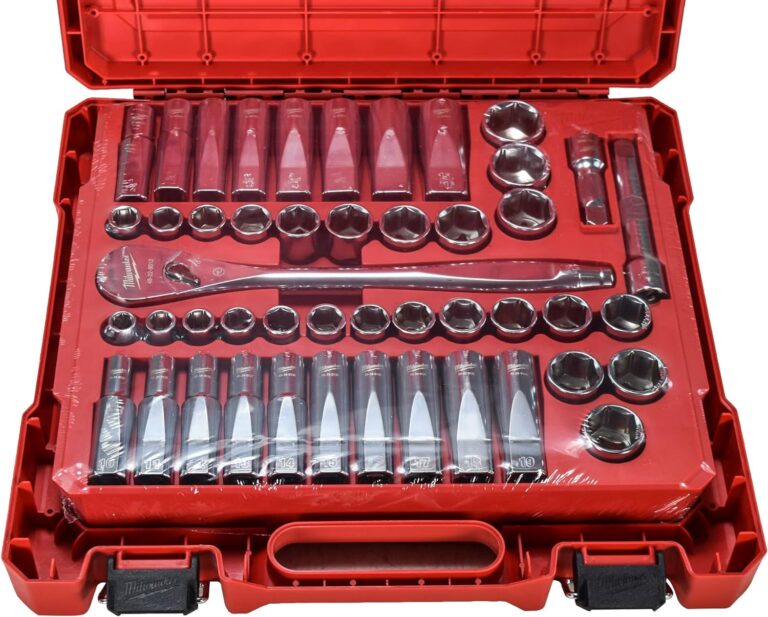
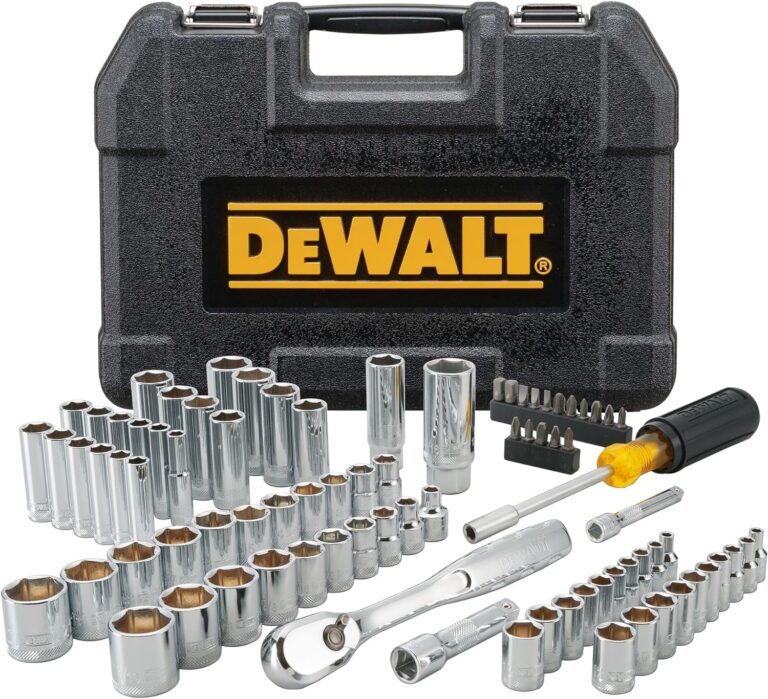
A socket set bundles a range of sizes together, usually with a ratchet or wrench to drive them. You can buy metric, imperial, or both, which covers you for almost any job. Buying a set is smarter than picking up sockets one at a time, since you get the full lineup in one box.


Using the wrong socket size
Consequences of using the wrong socket
Grab the wrong size and things go sideways fast. A socket that doesn’t fit slips or fails to grip, which rounds off bolt heads and wrecks the socket. It also means you can’t put real torque on the fastener, so it never tightens or loosens the way it should.
Damage to fasteners or sockets
A mismatch chews up both the fastener and the socket. Go too big and you round the corners of the bolt, leaving you fighting to get it out. Go too small and you strip the fastener instead. The right size keeps both in good shape.
Safety risks
There’s a safety side to this as well. A loose socket can pop off mid-turn and send your hand into something hard. And a fastener that never got tight can let parts come apart later, which is the last thing you want on anything that has to hold. Use the right size and you sidestep all of it.
Socket size equivalents
Metric to imperial socket size conversion
Switching from metric to imperial is handy when a project throws both at you. Here’s a quick reference:
- 6mm is close to 1/4 inch
- 8mm is close to 5/16 inch
- 10mm is close to 3/8 inch
- 13mm is close to 1/2 inch
- 17mm is close to 11/16 inch
- 19mm is close to 3/4 inch
- 24mm is close to 15/16 inch
Imperial to metric socket size conversion
And here’s the same list flipped, going from imperial to metric:
- 1/4 inch is close to 6mm
- 5/16 inch is close to 8mm
- 3/8 inch is close to 10mm
- 1/2 inch is close to 13mm
- 11/16 inch is close to 17mm
- 3/4 inch is close to 19mm
- 15/16 inch is close to 24mm
These figures are approximate and can shift a hair depending on the brand or how it’s measured.
Tips for socket size selection
Start with commonly used socket sizes
Not sure where to begin? Stick to the sizes you’ll use most. Around the house, 8mm through 19mm in metric and 1/4 through 3/4 inch in imperial will handle the bulk of what you run into.
Consider a socket set with various sizes
A set gives you the whole range at once and usually ships in a case that keeps everything sorted. With both metric and imperial sizes on hand, you’re ready for whatever job shows up.
Refer to the manufacturer’s guidelines
Working with a particular brand of fastener? Check their guidelines. They’ll often spell out the exact socket size to use for the cleanest fit and best results.
Seek professional advice if uncertain
When a job has you guessing, ask someone who knows. A mechanic or a hardware store employee can steer you to the right socket without the trial and error.
Additional tools for socket size determination
Socket size gauges
A socket size gauge takes the guesswork out of matching a socket to a fastener. It’s a set of metal pieces, each stamped with a size, running from small to large. Slide the fastener into the piece that fits snug, read the number, and you’ve got your socket size.
Bolt and nut sizing templates
A sizing template is a flat plastic or metal card cut with holes shaped like common nuts and bolts. Drop your fastener into the hole it matches, and the label tells you which socket to grab.
If you work with fasteners a lot, a template saves time and stops you from cycling through half a dozen sockets to find the one that fits.


Conclusion
The right socket size makes the difference between a clean job and a stripped fastener. Once you understand socket types, how they’re measured, and how to size them up, picking the correct one becomes second nature.
You can size a socket a few ways: check the fastener’s marked size, measure it yourself, use a size chart, or ask someone who works with them daily. Each gets you to the right answer.
Match the socket to the bolt or nut size, the fastener material, and how much torque the job needs. The wrong size rounds off corners and creates real safety risks, so get it right the first time. If you’re switching between metric and imperial fasteners, keep a conversion handy so nothing slows you down.
A size gauge or template speeds up the whole process. Stock your kit with a full range of socket sizes, like the ones bundled in a good socket set, and you’ll be ready for almost any project. Still unsure? Ask a pro before you turn the wrench.