
What Is The Strongest Socket Material?
Disclaimer: This post may contain affiliate links. As an Amazon Associate, we earn from qualifying purchases.
Ever wonder what makes a socket wrench tough enough to take a beating? Tool users argue about which socket material holds up best. Sockets get made from plain steel to fancy alloys, and each one handles torque differently.
This guide walks through each socket material and lays out where it shines and where it falls short, so you can pick the right one for your kit. Whether you tinker on weekends or turn wrenches for a living, here’s what actually holds up.
Introduction
Sockets do a lot of heavy lifting in any toolbox. A strong, reliable socket matters whether you fix cars for a living or just like fixing things yourself. With so many materials to pick from, the choice gets confusing fast. This guide breaks down each socket material, its properties, and where it works best and worst so you can choose with confidence.
Overview of Socket Materials
Socket materials run from everyday steel to surprising picks like plastic and ceramic. Each one brings its own mix of strength and durability to the job.
Knowing how these traits stack up helps you grab a socket that can handle whatever you throw at it. Before you settle on a material, it helps to understand the three main types of sockets and what each one is built for.
Properties of Socket Materials
A few traits decide how well a socket performs: strength, hardness, corrosion resistance, conductivity, and weight. A stronger socket takes more force and torque before it bends or cracks.
Hardness is how well the socket shrugs off wear and fatigue. Corrosion resistance keeps it from rusting in rough, damp conditions. Conductivity matters for electrical work, and weight decides how easy the socket is to carry and handle.
Factors Influencing Socket Material Strength
What goes into a socket shapes how strong it ends up. The metal blend, how it’s processed, and any heat treatment or coating all change its pulling strength, hardness, and toughness. The design and build quality of the socket count just as much. If you run sockets on a power tool, take a look at this impact grade socket adapter and extension set that holds up to high torque.

Steel Sockets
Steel sockets are the go-to choice for good reason. They’re strong, hard, and shrug off wear and rust. You’ll find them in a few flavors: carbon steel, chrome-molybdenum steel, and impact-grade steel.
Properties of Steel Sockets
Steel sockets take heavy loads and high torque without bending or snapping. Their hardness keeps them going through long, repeated use. They also resist rust well, so they hold up in tough, wet, or dirty conditions.
Types of Steel Sockets
Carbon steel sockets are the everyday standard and handle most general jobs. Chrome-molybdenum steel sockets add chromium and molybdenum to the mix for extra strength and a longer life.
Impact-grade steel sockets are built to absorb hard, sudden blows, which makes them the right pick for air-powered tools.
Advantages of Steel Sockets
Steel sockets are tough. They take heavy loads, high torque, and rough job site conditions without flinching. You’ll find them everywhere, and they won’t break the bank, which is why they’re the go-to for most work.
Disadvantages of Steel Sockets
Steel is heavy. That weight adds up when you’re working overhead or in cramped spots for a long stretch. Steel resists rust to a point, but it can still corrode, so wipe your sockets down and keep them dry to make them last.
Titanium Sockets
Titanium sockets are catching on because they’re strong yet light, and they shrug off corrosion. The metal costs more, but it earns its place in jobs where every ounce counts.
Properties of Titanium Sockets
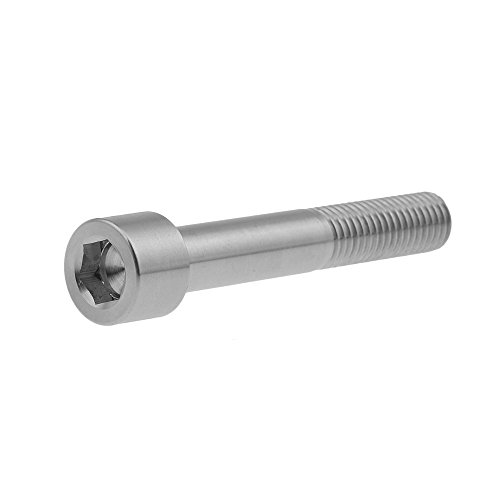
Titanium matches steel for strength but weighs a lot less. That makes it a favorite in aerospace and automotive work where shaving weight matters. It also holds up against corrosion in even the harshest spots.
Advantages of Titanium Sockets
The big win with titanium is getting serious strength without the extra weight. When you need to keep things light but can’t give up performance, titanium delivers. It also resists corrosion, so it keeps going in rough conditions.
Disadvantages of Titanium Sockets
Titanium has its downsides. It’s pricey, so these sockets cost more than the alternatives. They’re also harder to track down than steel, so your choices are limited. And titanium is softer than steel, which means it can wear down quicker under constant heavy use.
Aluminum Sockets
Aluminum sockets give you a lighter option than steel. They show up in aviation, automotive, and bicycle work where keeping weight down matters. They have clear perks, but a few trade-offs come with them.
Properties of Aluminum Sockets
Aluminum is light, so these sockets are easy to carry and handle. They resist corrosion well, which makes them fine for outdoor jobs. They also move heat away faster than other metals thanks to good thermal conductivity, meaning they shed heat instead of holding it.
Advantages of Aluminum Sockets
The main draw of aluminum is how light it is. That helps in jobs where extra weight drags down performance or efficiency. These sockets also fight off corrosion, so they hold up outdoors or in damp conditions.
Disadvantages of Aluminum Sockets
Aluminum isn’t as strong as steel or titanium. Push hard with heavy loads or high torque and it can bend or deform, which rules it out for tougher jobs. It’s a soft metal, so it scratches and wears faster, and that softness cuts into how long these sockets last.
Copper Sockets
Copper sockets are the pick for electrical work because copper carries current so well. It’s one of the best conductors out there, so it shines anywhere you need clean electrical flow.

Properties of Copper Sockets
Copper moves electricity with very little resistance, so it stays cooler during electrical jobs. It also stands up to corrosion, which makes it fine for outdoor use. Copper bends and shapes easily too, so it’s simple to form and work with.
Advantages of Copper Sockets
Copper’s strong suit is conductivity. It passes current with barely any power lost, which is exactly what high-performance electrical jobs call for. It also resists corrosion, so you can count on it over the long haul.
Disadvantages of Copper Sockets
Copper isn’t as strong as steel or titanium. It’s a soft metal, so it bends and wears more easily, which keeps it out of heavy-duty work involving high torque or force. Copper also costs more than steel or aluminum, so expect to pay extra.
Brass Sockets
Brass sockets turn up in plumbing and other light jobs. Brass is a blend of copper and zinc, and that mix gives it properties that fit certain tasks well.
Properties of Brass Sockets
Brass resists corrosion and machines easily, so it’s simple to cut and shape. It has enough strength for light-duty tasks and molds more readily than tougher metals. It conducts electricity too, just not as well as copper.
Advantages of Brass Sockets
Brass holds up against corrosion, so it lasts in plumbing work and outdoors. It also costs less than titanium or copper. And since it machines so easily, you can shape and tweak it to fit a specific job.
Disadvantages of Brass Sockets
Brass can’t match steel or titanium for strength. It fits light-duty tasks and won’t take heavy loads or high torque. It also conducts electricity worse than copper, so it falls short in some electrical jobs.
Plastic Sockets
Plastic sockets stand apart from metal ones. They’re light, cheap, and a smart pick when you need something that won’t conduct electricity or scratch a finish.
Properties of Plastic Sockets
Plastic is light and shrugs off corrosion completely. It doesn’t conduct electricity, so it’s safe around live wires. Plastic also slides with low friction, which keeps delicate surfaces from getting scuffed.
Advantages of Plastic Sockets
Plastic sockets are cheap and light. They cost less than metal, so just about anyone can grab a set. They don’t conduct electricity, which adds a layer of safety on electrical jobs. Their low friction also makes them gentle on surfaces you want to keep unmarked.

Disadvantages of Plastic Sockets
Strength is where plastic falls short. It handles light jobs but folds under heavy loads or high torque. It wears and deforms faster than metal. Temperature is a problem too, since very hot or very cold conditions can throw off how it performs.
Ceramic Sockets
Ceramic sockets are an oddball in the socket world. They’re not common, but they bring a few strengths that fit specialized jobs.
Properties of Ceramic Sockets
Ceramic takes serious heat, so it works where temperatures run high. It also resists wear, corrosion, and chemical damage. On top of that, ceramic insulates well, keeping things safe in high-voltage work.
Advantages of Ceramic Sockets
Heat resistance is ceramic’s standout trait. It holds its shape and strength at extreme temperatures, which is why it suits glass plants and foundries. It also blocks electricity, keeping you safe in high-voltage settings.
Disadvantages of Ceramic Sockets
Ceramic is brittle, and that’s the catch. Hit it or jolt it and it can crack or shatter, so it’s out for heavy loads or high-impact work. It also costs more than other materials, which puts it out of reach for some buyers.
Conclusion
The socket material you pick affects how long your tools last and how safely they work. Each material has its own strengths and weaknesses, so the right choice depends on what you’re doing with it. Steel sockets are tough and built to last, while titanium gives you that same strength but weighs a lot less.
Aluminum sockets keep things light, which makes them a smart pick when every ounce counts.
Copper sockets are the go-to for electrical work because they conduct so well. Brass sockets cost less and resist corrosion, making them a solid choice for jobs that don’t need much strength. Plastic sockets are cheap, won’t conduct electricity, and create little friction.
Ceramic sockets handle high heat and block electricity better than the rest. Once you know what each material does best, picking the strongest socket for your job becomes a lot easier.
Related posts:
 What Is The Best Socket Set For A Professional Mechanic?
 What Is The Best Scan Tool For DIY Mechanic?
 What Does A Full Car Diagnostic Include?
 How Do I Know What Size Socket I Need?
 What Is The Best Scan Tool For Automotive?
 What Is Called Monkey Wrench?
 What Is The Difference Between Scan Tool And OBD?
 Should I Pull Or Push On A Wrench?