What Is An Alligator Wrench?
Disclaimer: This post may contain affiliate links. As an Amazon Associate, we earn from qualifying purchases.
The alligator wrench, sometimes called a monkey wrench, earns its name from a gripping jaw that looks like an alligator’s mouth. The adjustable design lets it fit bolts and nuts of different sizes, so one tool covers a lot of jobs. It’s a handy addition to any toolbox.
You can reach for it on DIY projects or mechanical repairs without swapping tools constantly. It shows up often in both mechanical and plumbing work.

The wrench grips nuts and bolts firmly, so tightening and loosening goes smoothly. That jaw shape, which resembles an alligator’s bite, is where the name comes from.
History of Alligator Wrenches
Origin
The alligator wrench dates back to the late 1800s. It was built to grip nuts and bolts better than a standard wrench, across a range of sizes. Early versions were simple, but the design got better with time.
Early Developments
At first, skilled tradespeople made these wrenches by hand. They earned a reputation on factory floors, where they got the job done fast. Rising demand pushed makers into mass production, which put the wrench within reach of everyday buyers.
Popularity and Use
Through the 1900s the alligator wrench took off as its flexibility caught on. It found a home in plumbing, mechanical repair, and car maintenance. Gripping different fastener sizes with one tool made it a favorite for pros and weekend tinkerers. If you’re still learning the lingo on your other gear, our guide on what automotive tools are called breaks down the names and uses of the most common shop tools.

Design and Features
Jaw Shape
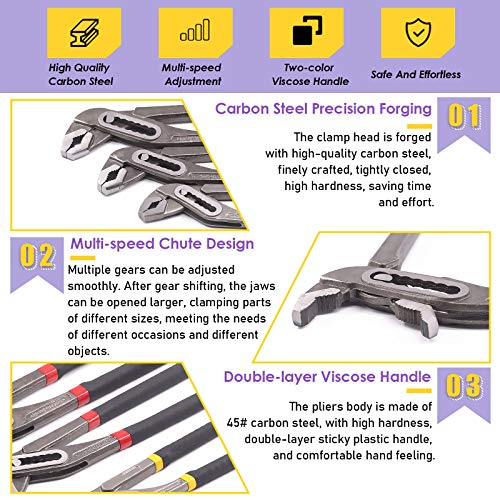
The jaw is what sets this wrench apart. The serrated, angled teeth bite into a fastener and hold tight, so the wrench doesn’t slip mid-turn. Those teeth really earn their keep on rusty or stuck bolts.
Adjustment Mechanism
Most alligator wrenches let you change the size of the jaw opening to match the fastener. The way it adjusts depends on the model, with some using a sliding action and others a worm gear, which is a small threaded wheel you turn to move the jaw. Either way, you can dial in the right size quickly.
Handle Length and Grip
Handle length depends on the job. A longer handle gives you more leverage, which helps break loose nuts and bolts that won’t budge. Many handles have a rubberized or textured grip so your hand stays put while you work. If you want a faster option for tighter spaces, check out our 120T ratcheting wrench review to see how it stacks up for everyday fastener work.
Types of Alligator Wrenches
Standard Alligator Wrench
The standard version is the simplest and the one you’ll see the most. It has a straight handle and a fixed jaw size, and it comes in a range of sizes to match different jobs.
S-shaped Alligator Wrench
The S-shaped wrench bends the handle into an “S” curve for a more comfortable hold and better leverage. It’s a good pick if you spend long stretches turning fasteners.
Adjustable Alligator Wrench
The adjustable version pairs a movable jaw with the comfortable S-shaped handle. You get a custom jaw opening and an easy grip in one tool, which makes it a solid choice when your jobs vary in size.
Benefits and Advantages
Versatility
One wrench handles a range of nut and bolt sizes, so you don’t need a drawer full of separate wrenches. That saves time and space, which is a win whether you do this for a living or on weekends.
Efficiency
The toothed jaw and adjustable opening help you work faster. A firm grip keeps the wrench from slipping and chewing up your fasteners. Dialing in a snug fit means you turn bolts cleanly the first time.
Durability
Alligator wrenches are built from tough materials like steel or chrome-vanadium alloy. They hold up to heavy use and high torque without bending or wearing out fast. That solid build is what makes them a tool you can count on for hard jobs.

Applications and Uses
Plumbing
An alligator wrench earns its keep on plumbing jobs. Use it on pipe fittings, valves, and faucets where you need a firm grip. Since it handles different nut sizes, you can fix a leaky faucet or install new fixtures without digging through your toolbox for the right size.
Mechanical Repairs
Mechanics reach for alligator wrenches when bolts sit in cramped spots that are hard to get to. The shape lets you work where a bulkier tool just won’t fit.
The adjustable jaw dials in to the right size for a tight, secure hold on a fastener. It works just as well for repairing machinery as it does for putting equipment together.
Automotive Maintenance
Under the hood, an alligator wrench handles plenty. Reach for it when you’re changing tires, swapping brake pads, or working on the engine, and it grips the fasteners you run into along the way.
Because one tool grips a range of nut and bolt sizes, you keep the job moving without swapping wrenches every few minutes.
Common Misconceptions about Alligator Wrenches
Not Suitable for All Nuts and Bolts
An alligator wrench won’t grab every fastener. It does its best work on hex and square heads, while rounded or oddly shaped ones tend to slip. Check the fastener shape first so you know the wrench will actually bite.
Difficult to Use
The unusual look fools people into thinking the tool is tricky. Spend a few minutes with it and you’ll see it’s simple to handle.
Open the adjustable jaw to match the size, and the serrated teeth lock onto the fastener. Use it the right way and it gets the job done with no fuss.

Safety Precautions
Proper Use and Technique
Using the wrench correctly keeps you out of the emergency room. Apply steady, controlled force so the tool doesn’t slip and send your hand into something hard. Seat the wrench fully on the nut or bolt and line it up straight before you start turning.
Protection and Gear
Wear gloves and safety glasses while you work. Gloves guard your hands if the tool slips, and glasses keep flying bits out of your eyes.
Match the wrench size to the job, too. The right fit protects both the tool and the fastener from getting chewed up.
Maintenance and Care
Cleaning and Storage
Wipe the wrench down after each job to clear off dirt, grime, and residue. A clean cloth does the trick. Store it somewhere dry, away from moisture and big temperature swings, so rust never gets a foothold.
Regular Inspection
Give the wrench a once-over now and then for wear or damage. Look at the jaw alignment, the adjustment mechanism, and the handle for anything loose or worn. Fix or replace it if something’s off, since a damaged wrench is both unsafe and unreliable.
Conclusion
An alligator wrench earns a spot in your toolbox. The adjustable jaw and comfortable grip make it quick to set up and easy to handle.
It holds tight and saves you time on plumbing, mechanical work, and car repairs alike. Use it correctly, keep it clean, and follow the safety basics, and it’ll serve you well for years.