What Are Automotive Tools Called?
Disclaimer: This post may contain affiliate links. As an Amazon Associate, we earn from qualifying purchases.
Wondering what mechanics actually call the tools they reach for when fixing cars? This post walks through the common automotive tools and what each one is named.
Whether you love working on cars or just want to understand how they tick, this guide covers the tools that keep vehicles running. Let’s dig in and get familiar with the gear automotive pros rely on.
Working on your car goes a lot smoother when you have the right tools. Each automotive tool does a specific job in keeping your vehicle repaired and maintained.
Hand tools, power tools, measuring and testing gear, cutting and fastening tools, there’s something for every job you’ll run into. This guide breaks down the different types of automotive tools and what each one does, so you can build a kit that handles any project.


Hand Tools
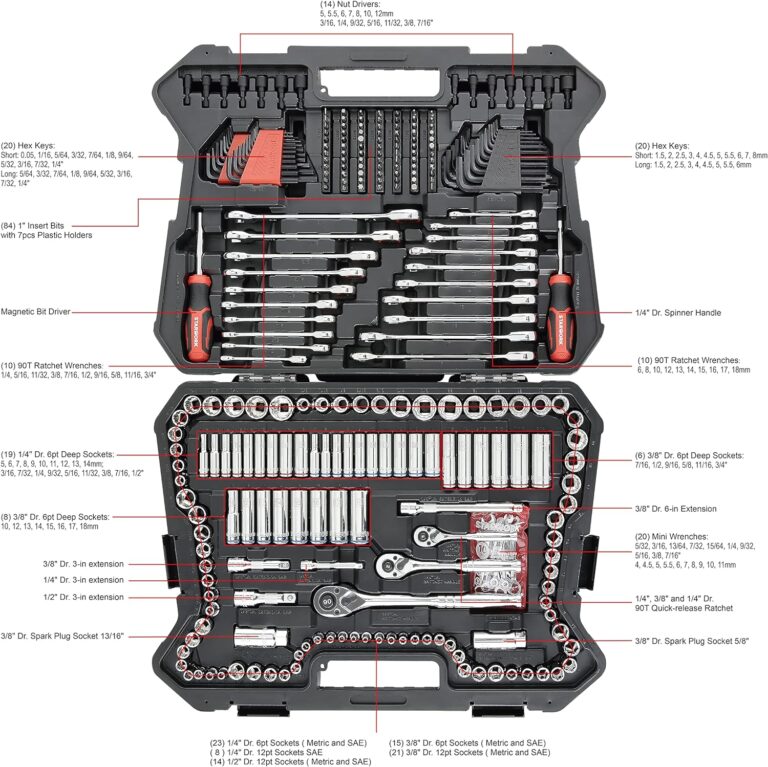
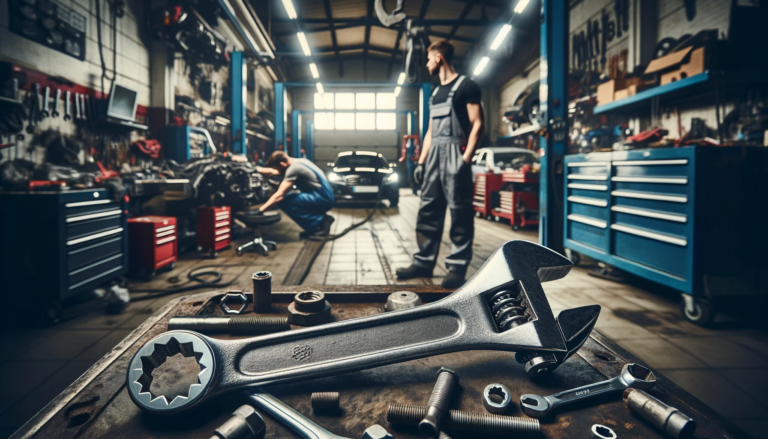
Hand tools are the backbone of any mechanic’s kit. They’re reliable and simple to use. Screwdrivers are a basic you’ll reach for constantly, coming in Phillips-head and flat-head styles and various sizes for loosening and tightening screws. Pliers grip, bend, and cut wires and small parts, and you’ll find them as slip joint, needle-nose, and locking versions.
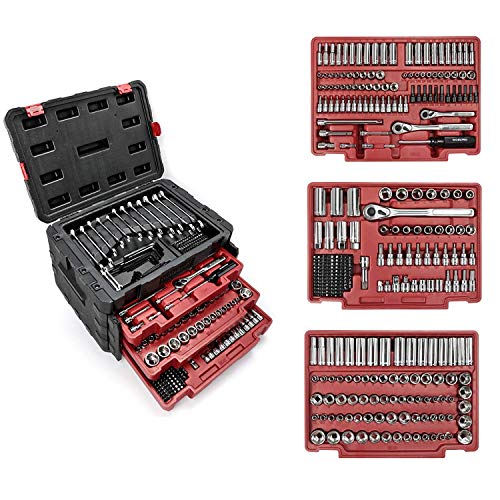
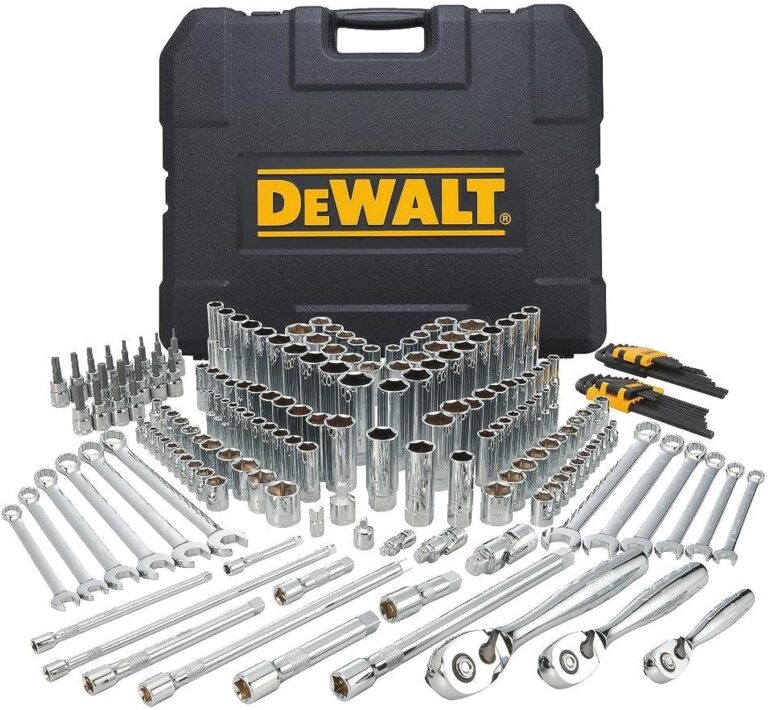
Wrenches loosen and tighten nuts and bolts, with adjustable, combination, and socket styles covering different jobs. Hammers handle anything that needs a good strike, like knocking loose a rusted part, and include ball peen hammers, rubber mallets, and dead blow hammers. A socket set rounds things out with a ratchet handle and a range of socket sizes to fit different fasteners. If you’re not sure which style fits your needs, our guide on how to choose the right wrench breaks down the options so you can pick the best one for the job.
Power Tools
Power tools speed up the heavy lifting in car repair. The drill is one of the most useful, handling everything from boring holes to driving screws, and even grinding when you add the right attachment.
Impact wrenches put out high torque to break loose stubborn nuts and bolts. They’re a go-to for changing tires and working on suspension.
An air compressor feeds compressed air to pneumatic tools like impact wrenches, air ratchets, and air sanders. Sanders smooth and shape surfaces, with orbital and belt styles to choose from. Grinders cut, grind, and polish metal.
Swap in different discs like cutting discs, grinding discs, or wire brushes to match the job.


Diagnostic Tools
Diagnostic tools help you track down problems in your vehicle’s electrical and mechanical systems. An OBD-II scanner plugs into the car’s OBD-II port to read and clear engine fault codes and show how the vehicle is running. A multimeter measures electrical voltage, current, and resistance, making it handy for checking sensors and circuits.
A fuel pressure gauge measures pressure in the fuel system, which points to trouble like a failing fuel pump or clogged filter. A compression tester checks the compression in each cylinder, helping you spot worn piston rings or leaking valves. For a closer look at the gear mechanics use to pinpoint issues, check out our breakdown of what a car diagnostic tool is called and how each one works.
Specialized Tools
Specialized tools handle specific jobs that come up in more advanced repairs. An oil filter wrench grips the filter so you can remove and install it cleanly. A spark plug socket has a rubber insert that holds the plug and keeps it from cracking while you work.
A brake bleeder kit clears trapped air from the brake system using a hose and a pump that pushes brake fluid through. A timing light lets you set the ignition timing on your engine.
Getting the spark plug to fire at the right moment keeps performance and fuel economy where they should be. A torque wrench tightens nuts and bolts to an exact value, which stops you from over-tightening and damaging parts.
Lifting and Jacking Tools


Lifting and jacking tools get the car off the ground so you can work underneath or move heavy parts. A floor jack uses hydraulics to raise the vehicle, with a long handle and wheels that make it easy to position.
Jack stands hold the car up once you’ve raised it with the floor jack, giving you a steady, safe platform to work on.
An engine hoist, also called a cherry picker, lifts and pulls engines out of vehicles using a heavy-duty frame, a hydraulic system, and a chain or cable. A transmission jack is built just for removing and installing transmissions, with a low profile and adjustable arms to cradle the unit.
Measuring and Testing Tools
Measuring and testing tools keep your work accurate. A tire pressure gauge checks the air in your tires, which matters for safe driving and good fuel economy. A feeler gauge is a thin metal strip that measures small gaps, like the clearance you set during a valve adjustment.
A magnetic pick-up tool grabs metal parts that drop into tight spots, holding them on its magnetic tip. A circuit tester checks whether current is flowing in a circuit, which helps you find electrical faults and bad components.
Cutting Tools
Cutting tools handle anything that needs trimming or slicing. A utility knife tackles all sorts of jobs, from cutting a hose to opening packages. Tin snips cut through sheet metal.
Their sharp, serrated blades slice through thin metal without a fight. Wire cutters give you clean cuts on wires and cables, and come in sizes to match different wire thicknesses.
A riveter installs rivets, the fasteners that lock two or more pieces of material together. It earns its keep in body repairs and fabrication work. You’ll find hand riveters for smaller jobs and pneumatic riveters for bigger ones.
Fastening Tools
Fastening tools lock down nuts, bolts, and other fasteners as you put parts together or take them apart. A ratchet tightens and loosens fasteners using a mechanism that keeps turning in one direction without lifting the handle off.
A torx bit set gives you screwdriver bits that fit torx screws, the ones with a star-shaped head. You’ll run into these on engine parts and electronic modules.
A nut driver tightens and loosens hex nuts. It has a hollow shaft with a hexagonal opening on the end that slips right over the nut. A stud extractor, sometimes called a stud puller, grips onto a broken or stripped bolt or stud so you can back it out without tearing up the parts around it.
Cleaning and Maintenance Tools
Cleaning and maintenance tools keep your vehicle looking and running its best. A car wash kit usually comes with everything you need to clean your car: wash soap, sponges, and microfiber towels.
An engine degreaser cuts through grease, oil, and grime in the engine bay. Clearing out that buildup helps your engine run cooler and last longer.
A battery terminal cleaner scrubs away corrosion and buildup so the connection stays clean and tight. That keeps your battery delivering steady power. A wheel brush has bristles shaped to reach into tight spots and pull brake dust and grime off your wheels and rims.
Repair and Replacement Tools
Repair and replacement tools handle the jobs where parts come off and new ones go on. A trim removal tool pops off interior and exterior trim without scratching the surface around it. Reach for it when you’re working on dashboards, door panels, or moldings.
A gasket scraper strips old gaskets and dried sealant off engine parts. Its sharp edge clears the residue while leaving the surface underneath intact.
A ball joint separator, also called a pickle fork, pops ball joints loose from their parts. You’ll want it when you’re swapping out worn or damaged ball joints.
An oxygen sensor socket is built just for pulling and installing O2 sensors. A slot in the side makes room for the sensor’s wiring so you can get it on and off without a fight.
Automotive tools come in all shapes, sizes, and types, and each one does a specific job in fixing or maintaining a vehicle. A solid set of tools makes a real difference whether you’re a weekend wrench or a working mechanic.
Hand tools, power tools, diagnostic tools, specialized tools: there’s something for every job you’ll run into. Stock the right ones and learn how they work, and you can take on any repair or maintenance task with confidence.
Related posts:
 What Is The Best Socket Set For A Professional Mechanic?
 How Do I Know What Size Socket I Need?
 What Tools Do I Need To Remove An Engine?
 How Do I Choose A Wrench?
 What Is Called Monkey Wrench?
 Should I Pull Or Push On A Wrench?
 What Is An Alligator Wrench?
 DURATECH 497-Piece Mechanics Tool Set Review