
How Do I Choose A Wrench?
Disclaimer: This post may contain affiliate links. As an Amazon Associate, we earn from qualifying purchases.
Picking the right wrench can feel confusing when you stare at a wall of options. Adjustable, socket, open-end, the list goes on. This guide walks you through how to match a wrench to the job so you spend less time guessing and more time working.
This works whether you tinker on weekend projects or turn wrenches for a living. Let’s get into it.
Consider the Purpose
Start by thinking about what you actually plan to do with the wrench. Each job calls for a different tool, so pin down the task first.
Match the wrench to the work and you’ll finish faster with less frustration, whether the job is in your garage or on a job site.
Identify the Type of Work
Figure out the kind of work ahead before you shop. A quick fix around the house asks far less of a tool than daily shop use. That gap decides how tough and well-made your wrench needs to be.
A basic wrench handles light jobs just fine. For heavy work with a lot of force, you want one built to take serious torque, which is the twisting power used to tighten or loosen things.
Determine the Sizes of Bolts and Nuts
Look at the bolts and nuts you’ll be turning. Wrenches come in many sizes, so know which ones show up most in your work.
A set covering a range of sizes keeps the right tool on hand. A snug fit on the bolt or nut stops the wrench from slipping and gives you a solid grip. If you’re working with sockets and aren’t sure how to match them to your fasteners, here’s a breakdown on how to figure out what size socket you need for the job.
Evaluate the Torque Requirements
Torque is the turning force you use to tighten or loosen a fastener. If your project lists exact torque numbers, reach for a torque wrench that lets you dial in a precise amount of force.
When precision isn’t critical, a standard adjustable wrench does the job. Check what your work demands so the wrench you grab can handle it. Once you’ve got the right wrench in hand, it pays to know whether you should pull or push on a wrench to stay safe and get the most leverage.
Different Types of Wrenches

Wrenches come in a lot of shapes, and each one is built for a certain kind of job. Knowing what each type does makes it easy to pick the right one. Here’s a rundown of the wrenches you’ll run into most:
Adjustable Wrench
An adjustable wrench, sometimes called a crescent wrench, has a jaw you can open and close to fit different bolts and nuts. One tool handles a whole range of sizes, which saves space in your kit. The trade-off is grip. It won’t hold a fastener as tightly as a wrench made for that exact size, so it can slip under heavy force.
Combination Wrench
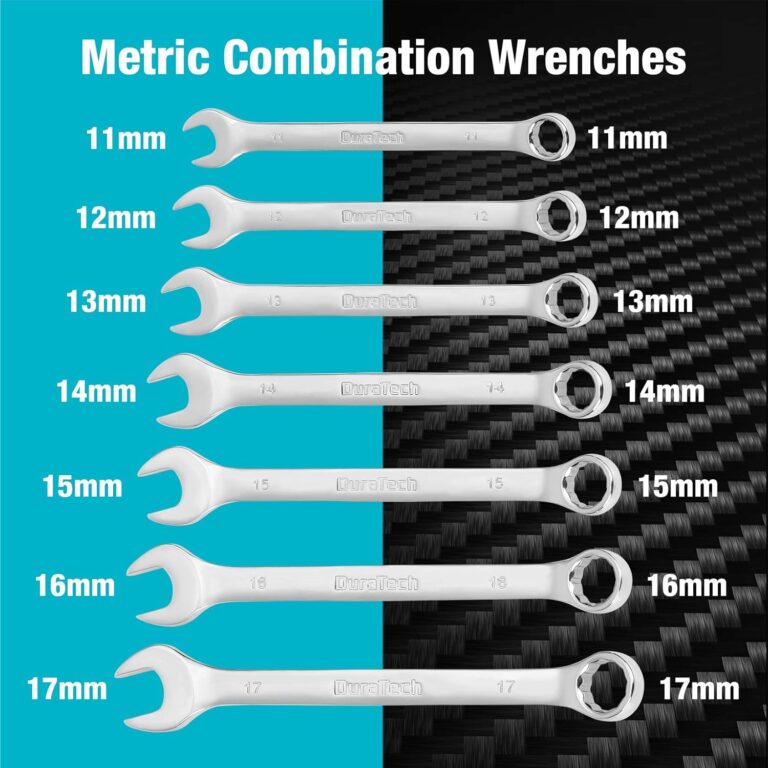
A combination wrench has an open end on one side and a closed box end on the other, both the same size. You get quick access with the open end and a firmer hold with the box end. Switch between the two depending on how much room you have and how tight the fastener is.
You’ll find these sold in sets covering common sizes, and they earn their spot in any toolbox.
Socket Wrench
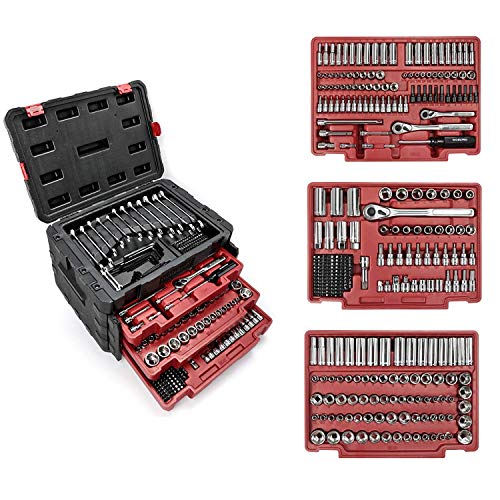
A socket wrench, also called a ratchet, uses a handle with snap-on sockets you swap to match the fastener size. Changing sockets takes a second, so one handle covers everything.
The ratchet lets you turn the bolt without lifting the wrench off and resetting it each time. That makes quick work of jobs where you’re cranking the same nut over and over.
Open-End Wrench

An open-end wrench has a U-shaped opening that slides onto a fastener from the side. That open shape slips into spots where a closed wrench won’t reach. Each end is a different size, so one wrench does the work of two.
They shine in cramped spots like under a sink or deep in an engine bay where you can only get at the bolt from one angle.
Box-End Wrench
A box-end wrench, also called a ring spanner, has a closed loop that wraps all the way around the fastener. That full grip spreads the force and keeps you from rounding off the corners. Reach for one when you need real muscle on a stubborn bolt or you’re working a tight spot.
They come in a full range of sizes and hold up well for both job-site and weekend use.
Ratcheting Wrench
A ratcheting wrench puts a ratchet into the slim body of a regular wrench. You can keep turning the fastener with short back-and-forth strokes instead of lifting and resetting the tool.
You can get them with open ends or box ends. The short throw makes them a lifesaver when there’s barely room to swing your hand.
Torque Wrench
A torque wrench tightens a fastener to an exact amount of force, measured in torque. It’s a must for car work and machinery where bolts have to hit a specific spec. The wrench clicks or gives when you reach the set value, so you don’t crank too hard or leave it too loose.
Any job that lists a torque number, like lug nuts or engine bolts, calls for one of these to get it right.
Pipe Wrench
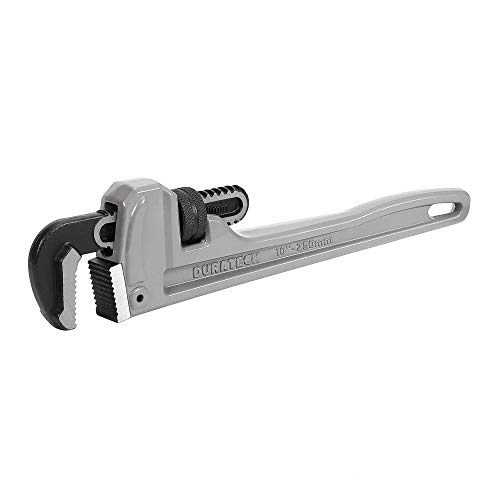
A pipe wrench is a beefy tool made for gripping pipes and other round things. The jaw adjusts to fit different pipe diameters, and its teeth bite into the metal so it won’t spin off.
Plumbers and mechanics lean on them all the time, and they’re built tough enough to take a beating.
Allen Wrench
An Allen wrench, also called a hex key, turns bolts and screws with a six-sided socket in the head. They come in many sizes and are usually hardened steel so the tips don’t strip. You’ll grab one for flat-pack furniture, bike repairs, and machine assembly. The little L shape gives you leverage and fits into spots a bigger tool can’t.
Crescent Wrench
Crescent is just another name for the adjustable wrench covered above. The movable jaw lets it fit a range of bolt and nut sizes, so it’s a handy catch-all. Just keep in mind the grip isn’t as solid as a fixed-size wrench, so go easy when a fastener is really stuck.
Consider Wrench Materials
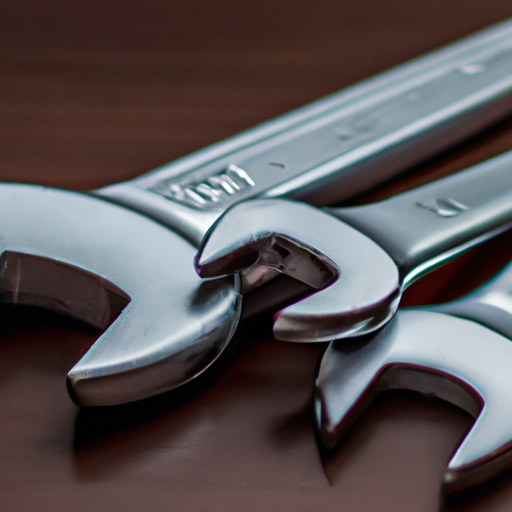
What a wrench is made of shapes how strong it is, how long it lasts, and how it handles. Here are the materials you’ll see most:
Carbon Steel Wrenches
Carbon steel wrenches are strong and take a lot of force without giving out. They hold up to wear and cost less, which makes them an easy pick for pros and weekend warriors alike. The catch is rust. Keep them dry and wiped down or they’ll corrode.
Chrome-Vanadium Steel Wrenches
Chrome-vanadium steel is an alloy that blends the toughness of carbon steel with chromium for rust resistance and vanadium for extra strength. Wrenches made from it are tough, shrug off corrosion, and take daily abuse.
This is the go-to on job sites and a smart buy if you want wrenches that last for years.
Alloy Steel Wrenches
Alloy steel mixes in metals like chromium, nickel, and molybdenum. The result is a wrench that’s strong, long-lasting, and stands up to rust.
It handles just about any task you throw at it. You’ll find alloy steel wrenches in pro kits and home toolboxes alike because they keep going.
Stainless Steel Wrenches
Stainless steel fights off rust and corrosion better than most, so these wrenches are built for wet or chemical-heavy work. They wipe clean fast and keep performing for a long time.
You’ll see stainless wrenches around boats, food plants, and chemical work, plus anywhere keeping things clean matters.
Ergonomics and Grip
How a wrench feels in your hand matters just as much as its type and material. A good grip and smart shape make the work easier and keep your hand from aching. Keep these things in mind:
Handle Design
Handles come straight, curved, or contoured, so pick the shape that feels right to you. Wrap your hand around it and see if it sits comfortably before you buy. Some handles are shaped to ease strain on your hand and wrist, which helps a lot on long jobs.
Comfortable Grip
A solid grip keeps the wrench from twisting out of your hand. Textured or rubber-coated handles give you more traction and cut down on slips. Padded grips add a bit of cushion for longer stretches. Handle a few in the store to feel which one fits your hand best.

Non-Slip Feature
Oily or wet surfaces make it hard to keep a wrench from sliding off. Serrated jaws or teeth bite into the fastener and hold tight even when things are greasy. That keeps the wrench planted and saves you from busted knuckles or chewed-up bolts.
Handle Length
Handle length changes how much leverage you get. A longer handle makes it easier to break loose a tight bolt. The downside is it’s harder to fit and swing in cramped spots. Weigh the extra muscle against how much room you have to work in.
Quality and Durability
A well-made wrench lasts longer and won’t let you down mid-job. Spending a little more up front pays off over time. Here’s what to check before you buy:
Brand Reputation
Sticking with a trusted brand is a safe bet for quality. Names that have been around tend to back it up with tools that hold up.
Skim through reviews and ask pros or handy friends what they swear by. That’s a quick way to learn which brands deliver.
Construction and Strength
Give the wrench a once-over to make sure it’s solid and free of flaws. You want clean edges, a tight build, and parts that move smoothly.
Check the moving joints closely, like the pivot on an adjustable wrench or the ratchet on a socket wrench. Those spots wear out first and tell you a lot about how long the tool will last.
Coating and Protection
A protective coating keeps a wrench from rusting and helps it last longer. Chrome plating and powder-coated finishes are both solid choices. They shrug off corrosion and wipe clean with a quick rag.
Longevity and Warranty
No tool lasts forever, but a wrench from a brand known for durability gets you more for your money. A warranty backs that up and shows the maker stands behind the product.
Read the warranty before you buy. Check what it covers and watch for limitations or exclusions that could leave you without protection.
Consider Budget and Value
Price matters, but so does what you get for it. The cheapest wrench is tempting, but spending a bit more usually buys better performance and a tool that holds up.

Weigh these points when you think about price and value:
Evaluate Your Budget
Figure out how much you want to spend before you shop. Aim for the sweet spot between price and quality. A reliable wrench now can save you cash later by avoiding constant replacements and repairs.
Choose for Long-Term Value
Think past the sticker price. A pricier wrench that works well and lasts years costs less per use than a cheap one you replace often. Paying a little extra for a tool you can count on tends to pay off.
User-Friendliness
A wrench that feels good in your hand makes the job go faster and easier. Comfort and convenience count for a lot once you’re a few hours into a project.
Keep these things in mind when judging how easy a wrench is to handle:
Weight and Portability
Weight affects comfort, especially on long jobs.
If you’ll be working for hours or hauling the wrench around a lot, go for a lighter, more portable model.
Lighter wrenches can give up some strength and durability. Match the weight to the work you do and find a balance that fits.
Ease of Use and Accessibility
Pick a wrench that gets to bolts and nuts without a fight. A slim profile or an angled head helps you reach into tight spots and turn fasteners other tools can’t.
Go with the wrench that feels natural in your hand and lets you keep moving.
Additional Features
Extra features can add real value depending on the work you do. You won’t need all of them, but the right one can save time on the jobs you tackle most. Here’s what to look for:
Quick-Release Mechanism
A quick-release button lets you swap sockets on a socket wrench in a snap. No more wrestling sockets on and off by hand, which speeds up any job that needs several sizes.
Built-in LED Light
A built-in LED light earns its keep in dark corners and cramped spaces. The extra glow helps you see what you’re doing and cuts down on slips and mistakes.

Swivel Head
A swivel head lets you angle the wrench however the job demands. That flexibility helps you reach into tight or awkward spots and apply torque where a fixed head can’t.
Pivoting Handle
A pivoting handle lets you come at bolts and nuts from different angles. It shines in cramped spots where a straight handle would just get in the way.
Magnetized Tip
A magnetized tip is a lifesaver with small bolts and fasteners. The magnet holds the piece in place so it doesn’t drop and vanish into a tight gap.
Read User Reviews
Once you’ve weighed the points above, read what real owners say before you buy. Reviews tell you how a wrench actually holds up on the job. Here’s how to get the most out of them:
Research Online Reviews
Stick to trusted sites with detailed reviews from people who own the tool. Look for clear pros and cons, and watch for the same complaints popping up again and again. Reading several reviews gives you a fuller, more honest picture.
Consider Feedback and Ratings
Lean on feedback from people who use tools the way you do. A working mechanic should weigh reviews from other mechanics. Check the average rating, then dig into individual reviews to learn why people scored it the way they did.
Favor wrenches that earn steady praise and high ratings from plenty of buyers.
The right wrench makes your work smoother and faster. Think about the job at hand, the type of wrench it calls for, the materials and build quality, the grip, how easy it is to handle, and any extra features.
Match all that against your budget and the value the wrench will deliver over the years. Pair careful thinking with honest reviews and you’ll land on a wrench that fits your work. Happy wrenching!