What Is A Car Diagnostic Tool Called?
Disclaimer: This post may contain affiliate links. As an Amazon Associate, we earn from qualifying purchases.
Ever wonder what mechanics plug into your car to figure out what’s wrong? It’s called a car diagnostic tool. The device talks to your car’s onboard computer and pulls out useful information about problems and malfunctions. It reads engine codes, spots failing sensors, and points you toward the real issue. Next time you’re at the repair shop, you’ll know exactly what that gadget is.
1. Car Diagnostic Tool Overview
1.1 Definition of a Car Diagnostic Tool
A car diagnostic tool is a device or piece of software that finds and helps you fix problems in your vehicle’s systems. It plugs into your car’s onboard computer and pulls out data along with diagnostic trouble codes (DTCs), which are stored codes that point to where a fault is coming from. The information helps mechanics and car owners track down issues and fix them faster. For a closer look at what a basic code reader can do, check out our review of the KINGBOLEN S500 OBD2 code reader and see if it fits your needs.
1.2 Importance of Car Diagnostic Tools
Car diagnostic tools take the guesswork out of repairs. They pinpoint problems fast, so you’re not poking around the engine trying to figure out what’s wrong. Catching issues early stops small problems from turning into expensive ones. They also give you a clear picture of your car’s health, so you can decide what needs fixing and when.

2. Types of Car Diagnostic Tools
Diagnostic tools come in different shapes and price points, each built for a specific job. Here’s a look at the ones you’ll run into:
2.1 OBD-II Scanners
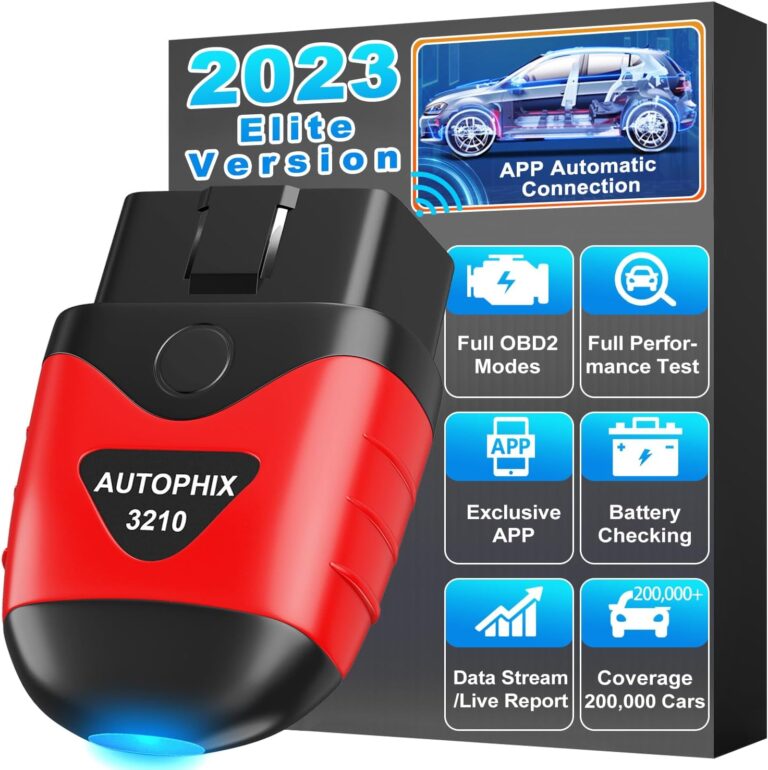
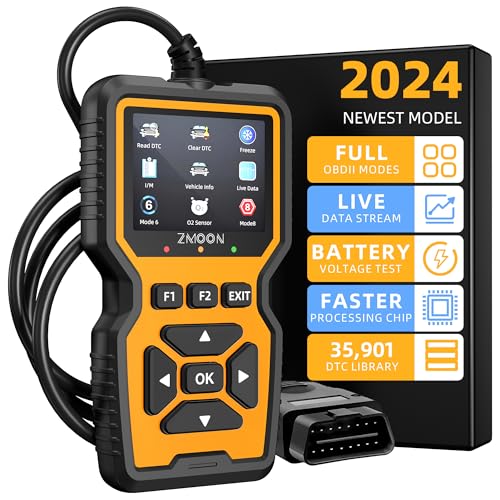
OBD-II scanners are the workhorse of car diagnostics. You plug them into the OBD-II port and they talk directly to your car’s computer. They pull up trouble codes, show live data, and run tests to tell you what’s actually going on. If you want a budget-friendly option to start with, take a look at our hands-on review of the MOTOPOWER MP69033 car scanner, which covers how it performs for everyday code reading.
2.2 Code Readers
Code readers keep things simple. They read and clear trouble codes, nothing fancy. If you just want to keep an eye on your car without spending much, this is a solid starting point.
2.3 Diagnostic Software
Diagnostic software runs on a computer and digs deeper than handheld tools. Mechanics pair it with special hardware to get a full read on your car’s systems. It can graph data, log readings over time, and walk you through tougher troubleshooting.
2.4 Diagnostic Scan Tools
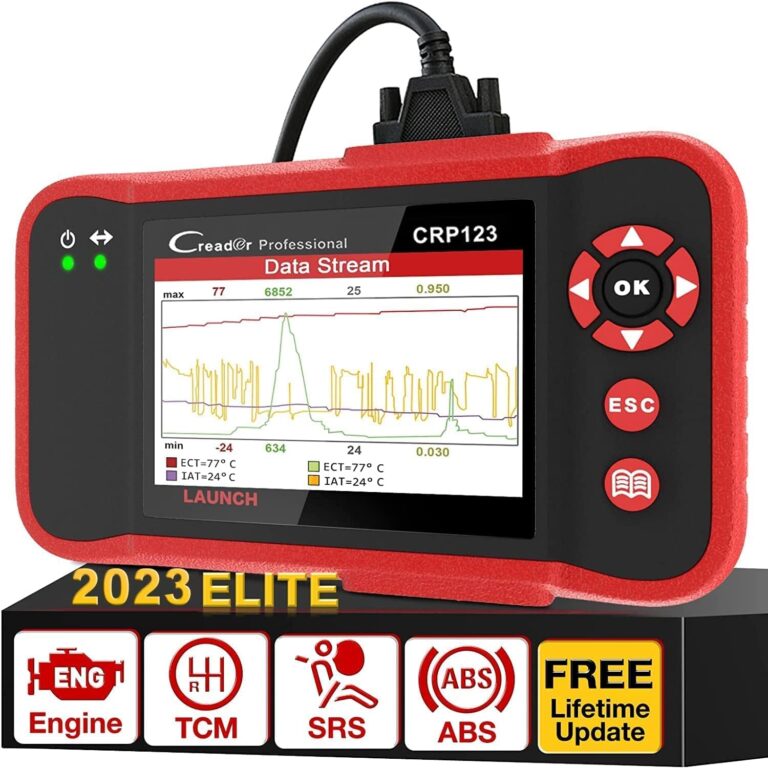
Scan tools bundle everything into one device. They read and clear codes, show live data, run system tests, and handle advanced jobs like programming and coding. Think of them as a code reader and a live data scanner rolled together with extra muscle.
2.5 Multimeters
Multimeters measure electrical stuff like voltage, current, and resistance. When you’re chasing down a bad sensor, dodgy wiring, or a dead electronic part, this is the tool that finds it. Every garage should have one.
2.6 Oscilloscopes
An oscilloscope shows electrical signals as waveforms on a screen, so you can actually see how a signal behaves. That makes it easy to spot something that’s off. It shines when you’re testing sensors, actuators, ignition systems, and control units.
2.7 Inspection Cameras
Inspection cameras, sometimes called borescopes or endoscopes, are a small camera on a bendable tube. You feed it into tight spots to see things you’d never reach otherwise, like deep inside the engine bay or exhaust. They’re great for spotting leaks, rust, and hidden damage.
2.8 TPMS Tools
TPMS tools handle tire pressure sensor problems. They read and reset TPMS codes, find sensors that have gone bad, and recalibrate the system so your pressure readings are accurate again.
Battery testers tell you how healthy your battery is. They check voltage, capacity, and overall condition, so you know whether to charge it, replace it, or leave it alone.
2.10 Smoke Machines
Smoke machines find vacuum and evaporative leaks. They push a steady stream of smoke into the intake or fuel system, and wherever the smoke leaks out is where your problem is. It’s a fast way to track down leaks you’d otherwise never see.
3. OBD-II Scanners
3.1 Introduction to OBD-II Scanners
OBD-II scanners connect to your car’s onboard computer, the OBD-II system that keeps tabs on the engine and other systems. From there they pull trouble codes, live sensor readings, and system data. That’s the information you need to figure out what’s wrong.
3.2 How OBD-II Scanners Work
The OBD-II port usually sits under the dashboard near the driver’s seat. Plug in the scanner and it links up with the car’s computer to pull data. The car watches its own sensors and systems, and the moment something acts up, it logs a trouble code. The scanner reads that code and tells you what the problem is.
3.3 Features and Functions of OBD-II Scanners
Here’s what a good OBD-II scanner can do for you:
- Reading and clearing trouble codes: Pull stored codes from the car’s computer and wipe them once you’ve fixed the issue. Clearing the codes also shuts off the “Check Engine” light.
- Live data monitoring: Watch sensor readings in real time, like engine RPM, coolant temperature, fuel trim, and oxygen sensor levels. This is how you catch performance issues as they happen.
- Freeze frame data: The scanner grabs a snapshot of your car’s readings at the exact moment a fault happened. That makes it much easier to track down problems that come and go.
- O2 sensor testing: Certain scanners can test your oxygen sensors to see how well they’re working.
- Onboard monitoring tests: Run built-in tests on systems like the EVAP system, oxygen sensor heater, and catalytic converter. These tests flag problems early and help your car pass emissions.
3.4 Benefits of OBD-II Scanners
OBD-II scanners pay off whether you’re a pro or working in your own driveway:
- Time and cost savings: Finding the problem fast means less time spent guessing and faster repairs. That cuts labor costs and gets your car back on the road sooner.
- Accurate diagnostics: The scanner points you straight to the fault, so you fix the real cause instead of throwing parts at it. Fewer misdiagnoses, fewer wasted repairs.
- Putting you in control: You get a clear view of your car’s health and performance. That helps you decide what to fix yourself, what to schedule, and when to call in a pro.
3.5 Popular OBD-II Scanners in the Market
Plenty of solid OBD-II scanners are out there, each with its own mix of features. A few worth a look:
Prices, features, and vehicle compatibility vary quite a bit from one scanner to the next. Do a little homework and pick one that fits your car and the kind of work you plan to do.
4. Code Readers
4.1 What are Code Readers?
Code readers do one job well: reading and clearing trouble codes. They’re the entry-level pick for anyone who wants to keep tabs on their car and catch problems early, without paying for advanced features they won’t use.
4.2 Key Features of Code Readers
Here’s what you can expect from a typical code reader:
- Reading and clearing codes: The reader pulls trouble codes from the car’s computer and clears them when you’re done. Clearing the codes turns off the “Check Engine” light.
- Code definitions: Most readers explain what each code means, so you’re not stuck looking up a random number. Definitions can be generic or specific to your car’s maker.
- Basic live data: Some readers show real-time readings like engine RPM, speed, and coolant temperature. You won’t get the depth of a full OBD-II scanner, but it’s enough for a quick check.
4.3 How Code Readers Help in Car Diagnostics
Code readers are your first clue when something goes wrong with the car’s electronics. They pull the trouble code and tell you what set it off, pointing you toward the trouble spot. From there you can decide whether it’s a fix you can handle or one for the shop.
4.4 Pros and Cons of Code Readers
Here’s where code readers shine and where they fall short:
Pros:
- Easy on the wallet: Code readers cost a lot less than full scan tools, so they’re an easy buy if you’re watching your budget.
- Dead simple: The layout is clear and the buttons are few. You don’t need any technical background to use one.
- Basic diagnostic capabilities: Code readers won’t match what advanced tools can do, but they still pull useful information about your car’s health and can catch problems early.
Cons:
- Limited features: Code readers are built to read and clear trouble codes, nothing more. Don’t expect real-time data monitoring, freeze frame data, or system testing.
- Lack of detailed code definitions: Cheaper code readers give you a bare-bones code definition that doesn’t explain what’s actually wrong. That leaves you guessing about the right repair.
- Compatibility limitations: A code reader might not work with every car, especially older or less common models. Check that it supports your vehicle before you buy.
5. Diagnostic Software
5.1 Definition and Function of Diagnostic Software
Diagnostic software is a computer program that talks to your car’s onboard computer and runs detailed diagnostic checks. It works alongside hardware like an OBD-II interface to connect with the car’s electronic systems.
The software pulls diagnostic trouble codes (DTCs), reads live data, and runs advanced tests to find and fix problems. It digs deep into how each system and part is performing, so technicians can make accurate calls and recommend the right repairs.
5.2 Different Types of Diagnostic Software
Diagnostic software comes in a few flavors, each built for certain makes, models, and systems. Here are the main ones:
- Manufacturer-specific diagnostic software: Carmakers build this for their own models. It gives full access to vehicle-specific data and lets technicians handle advanced jobs like programming, coding, and reprogramming modules.
- Aftermarket diagnostic software: This covers a wider range of makes and models. It does much of what manufacturer software does, but you won’t always get the same deep system access.
- General diagnostic software: This works with a broad mix of vehicles no matter the make or model. It handles the basics like reading codes, pulling live data, and running system tests.
5.3 Benefits of Diagnostic Software
Diagnostic software brings real advantages to vehicle diagnostics:
- Enhanced diagnostic capabilities: The software gives technicians full access to a car’s systems and parts. That makes it possible to dig into complex problems that basic tools would miss.
- Accurate and reliable results: Smart algorithms and big code databases help the software read trouble codes correctly and explain what they mean. Technicians can then pin down the exact cause and recommend the right fix.
- Time and cost savings: The software speeds up diagnosis, so you spend less time hunting for the problem. That means faster repairs, lower labor bills, and more work done in a day.
- Firmware updates and module programming: Some software lets technicians update firmware, reflash modules, and handle coding and programming. This keeps the car on the latest software and can unlock extra features or better performance.
5.4 Limitations of Diagnostic Software
The benefits are real, but diagnostic software has its downsides too:
- Cost: The software gets pricey, especially the manufacturer-specific kind. Between the upfront cost and ongoing subscriptions, small shops and home mechanics often pass on it.
- Complexity: Running the software takes some technical know-how. Learning what it can do, finding your way around the screens, and reading the results can be tough without training or hands-on experience.
- Compatibility: The software won’t work with every make, model, and system. That limits how widely you can use it across different brands.
6. Diagnostic Scan Tools
6.1 Introduction to Diagnostic Scan Tools
Diagnostic scan tools roll the jobs of a code reader and a live data scanner into one device. They pack a long list of features for diagnosing and fixing modern cars. Plug one into the car’s onboard computer and you can pull trouble codes (DTCs), read live sensor data, run system tests, and use advanced diagnostic functions.
6.2 Features of Diagnostic Scan Tools
Here’s what a diagnostic scan tool can usually do:
- DTC retrieval and clearing: The tool pulls trouble codes from the car’s computer and clears them. Clearing the codes shuts off the “Check Engine” light.
- Live data monitoring: The tool shows live sensor readings like engine RPM, coolant temperature, and oxygen sensor values. Watching these helps you spot odd numbers or swings that point to a problem.
- Freeze frame data: The tool can grab and save freeze frame data, a snapshot of the car’s readings at the moment a fault hit. That’s gold for chasing down intermittent problems and seeing what set the fault off.
- System testing: The tool can start and watch system tests for the EVAP system, oxygen sensor heater, catalytic converter, and more. These tests catch hidden issues and confirm the car meets performance and emission standards.
- Programming and coding functions: Some tools handle programming and coding too. You can program new modules, update firmware, reflash control units, and make advanced tweaks.
6.3 How Diagnostic Scan Tools Aid in Car Troubleshooting
Diagnostic scan tools take a lot of the guesswork out of finding and fixing car problems. By pulling trouble codes, reading sensor data, and running system tests, they hand you the information you need to track down the root cause. From there you can repair or swap the faulty part and get the car running right again.
The live sensor monitoring lets you watch how different systems and parts work together. That makes it easier to catch readings that are off or don’t add up. The built-in system tests dig deeper into how key systems are holding up, so you can catch trouble before it turns into a bigger repair.
6.4 Pros and Cons of Diagnostic Scan Tools
Diagnostic scan tools do a lot, but they’re not perfect. Here’s the rundown:
Pros:
- Comprehensive diagnostic capability: These tools pack a wide set of features for deep diagnostics. They give a full picture of the car’s health so you can nail down problems accurately.
- Real-time data monitoring: The tool shows live sensor data so you can watch and study key readings as they happen. That makes spotting anomalies and tracking down faults a lot quicker.
- Advanced system testing: These tools go well past simple code reading with broad system testing. The tests give a full check of the car’s systems and surface hidden faults and trouble spots.
- Programming and coding: Some tools support programming and coding. You can update firmware, reprogram control units, and even adjust certain system settings to fit your needs.
Cons:
- Cost: These tools cost more than a basic code reader or OBD-II scanner. The upfront price can be steep, especially for high-end or manufacturer-specific models.
- Complexity: You need some technical skill to get the most out of them. The deep menus, busy screens, and advanced functions can feel like a lot without training or experience.
- Compatibility limitations: Some tools only work with certain makes or models, so check before you buy. They may also fall short with newer cars and advanced systems.
These diagnostic scan tools come from solid brands that professional technicians rely on around the world. Weigh compatibility, features, and user reviews when picking the one that fits your needs.
7. Multimeters
7.1 Explanation of Multimeters in Car Diagnostics
A multimeter is one of the handiest tools for tracking down electrical problems in a car. It measures voltage, current, resistance, and continuity, all from one small handheld device. When something electrical acts up, a multimeter helps you find the fault and confirm that circuits and components are working the way they should.
7.2 Types of Multimeters Used in Automotive Field
Two kinds show up in automotive work: analog and digital.
Analog Multimeters:
An analog multimeter uses a needle that swings across a printed scale to show your reading. You turn a dial to pick what you want to measure, like voltage, current, or resistance. These have mostly faded out of car work because they are harder to read accurately and can be tricky to interpret.
Digital Multimeters:
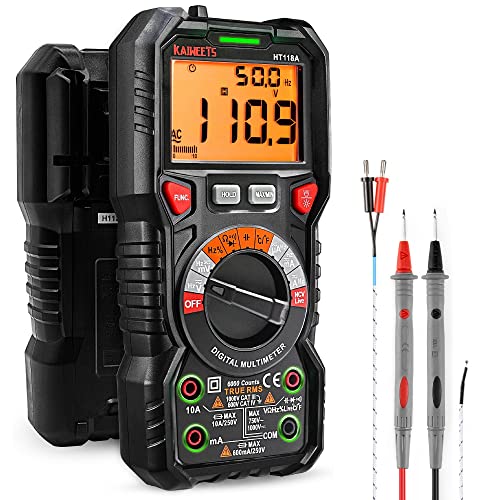
Digital multimeters, or DMMs, are what you want for car diagnostics. They show readings on a clear digital screen, give you sharper accuracy, and handle more jobs with less guesswork. You can switch between AC and DC voltage, current, resistance, continuity checks, and diode tests with the turn of a knob.
7.3 Advantages of Multimeters for Car Diagnosis
Here is why a multimeter earns a spot in your toolbox:
- Versatility: One multimeter covers a lot of ground. Check battery voltage, test a sensor, or trace a break in your wiring, and the readings point you toward the problem.
- Accuracy: Digital models give precise numbers, so you can judge the real condition of a component or circuit instead of guessing.
- User-friendly operation: A digital multimeter is easy to pick up and use. The screen is clear, the controls make sense, and you can set the range and function to match whatever you are testing.
- Portability: These tools are small and light, so you can move around the car and squeeze into tight spots without hauling extra gear.
7.4 Limitations of Multimeters
A multimeter is great, but it cannot do everything:
- Limited visualizations: You get numbers, not pictures. A multimeter cannot draw out waveforms the way an oscilloscope does, so reading complex signals is off the table.
- Single-point measurements: It reads one spot in the circuit at a time, so you miss changes that happen across different points.
- Inability to capture transient events: Fast spikes and dips that flash by in milliseconds slip right past a multimeter. It works best on steady readings that hold still long enough to measure.
Related posts:
 What Does A Full Car Diagnostic Include?
 What Is The Best Scan Tool For Automotive?
 What Is The Difference Between Scan Tool And OBD?
 What Is The Best Socket Set For A Professional Mechanic?
 What Is Called Monkey Wrench?
 HUMZOR OBD2 Scanner Diagnostic Tool Review
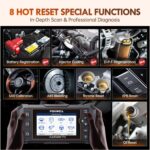 FOXWELL OBD2 Scanner NT624 Elite Car Scanner Review
 2023 AUTOPHIX OM129 OBD2 Scanner Review