
Should I Pull Or Push On A Wrench?
Disclaimer: This post may contain affiliate links. As an Amazon Associate, we earn from qualifying purchases.
Reach for a wrench and you’ll eventually face the same question: do I pull it or push it? The choice affects how safely and easily you get the bolt turned.
This guide breaks down when pulling works best and when pushing makes more sense, so you can pick the right move for your next project. Let’s clear up the confusion and get those bolts moving.
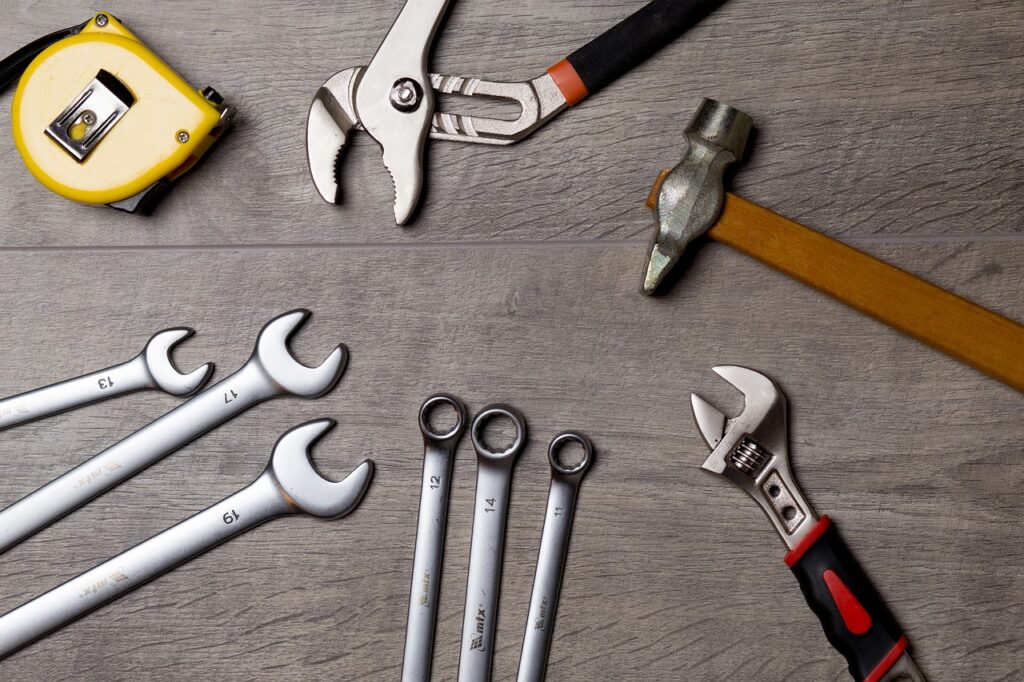
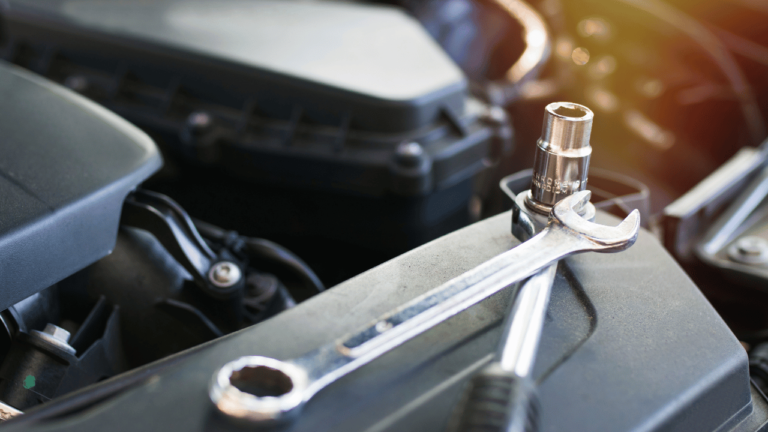
This image is property of pixabay.com.
Factors to Consider
A few things decide whether pulling or pushing is the smarter move. The type of fastener, the direction you need to turn it, how stuck it is, how tight you want it, and how much room you have to work all come into play.
Run through these points and the right choice usually becomes clear. Here’s a closer look at each one.
Type of Fastener
What you’re turning shapes how you grip and move the wrench. Bolts are threaded and need a wrench to spin them tight or loose. Nuts have a threaded hole in the middle and thread onto a bolt, also turned with a wrench.
Whether you’re working a bolt or a nut changes how you set up your turn.
Direction of Rotation
Which way you need to turn the fastener matters too. You’ve got two directions to work with. Turning clockwise tightens the fastener.
Turning counterclockwise loosens it. Once you know which way you’re heading, you can set your stance and grip to pull or push with the most power.
Breakaway Torque
Breakaway torque is the force it takes to free a fastener that’s been locked in place or sitting for a long time. Both pulling and pushing can get it moving. Pulling applies force against the way it was tightened to crack it loose.
Pushing drives force the same way you’d tighten it, breaking the grip so the fastener turns free. Which one you reach for comes down to how stuck the fastener is and the space around it.

Tightening Torque
Tightening torque is about snugging a fastener down rather than freeing it. Pulling draws the wrench toward you, while pushing drives it away. Both get the job done, and your pick depends on the fastener and the way you need to turn it.
Accessibility
How much room you have around the fastener often makes the decision for you.
Tight quarters rule out certain moves. Pulling needs clearance behind you to draw the handle in, while pushing fits better in cramped spots since you’re driving the wrench away. The space you’re working in also changes how much leverage each move gives you.

Advantages of Pulling
Pulling has real perks that make it the go-to in plenty of jobs. Leverage is the big one. Pulling lets you set your stance and lean back, putting your body weight behind the handle so you can crank out more force.
That extra muscle pays off on rusted or over-tightened fasteners that won’t budge.
Comfort is another win. Pulling lines your body up with the direction of force, so the motion feels natural and easy on your back and shoulders. You stay steadier through the turn and tire out slower.
Pulling also gives you a finer touch. You can feel the resistance through the handle and dial in your force as the fastener gives.
That feedback helps you stop before you strip threads or crack something nearby.
Advantages of Pushing
Pushing earns its place in the right spots too. Lining up your force is one reason. When you push, you can square your body to the fastener and drive force straight at it.
That straight-on angle makes your turns more accurate and quicker.
You also lose less power. Pushing sends your force right into the fastener with little wasted to friction or odd angles. More of your effort goes where it counts.
Pushing shines when space is tight. When there’s no room to draw a wrench back toward you, driving it away is often the only practical move. You stay inside the cramped space and still get the fastener turned.
Disadvantages of Pulling
Pulling has its downsides too. You can lose control. When a stuck bolt suddenly breaks free, the wrench can fly back fast, and your hand may smack into something behind it.
Slipping is the other risk. Pulling needs a solid grip and clean technique to keep the wrench seated. If your hold loosens or the wrench shifts, it can jump off the fastener and you can hurt your knuckles or damage the part. Keep a firm grip and stay square to the bolt.
Disadvantages of Pushing
Pushing has trade-offs as well. You get less leverage. Without your body weight behind the handle, it’s harder to put real force on a seized or over-tight fastener, so freeing or snugging it down can be a struggle.
Pushing also wears you out faster. Driving force away from your body leans more on your arms and shoulders.
Push through a string of stubborn fasteners and your arms will feel it. Know when to stop and rest so you don’t burn out or slip.
Pulling or pushing comes down to the fastener you’re turning, the direction you need to go, how stuck it is, how tight you want it, and the space you have to work in.
Pulling wins on leverage, comfort, and control. Pushing wins on lining up your force, driving it straight at the fastener, and fitting into tight spots.
Each has a catch. Pulling can slip or get away from you, and pushing gives you less leverage while tiring out your arms.
Weigh these points before you grab the wrench and you’ll pick the move that gets the job done safely and without a fight.
If you want to know how an adjustable wrench differs from a fixed one, our breakdown of what a monkey wrench is and how it works covers the basics.
When a fastener is too stubborn to crack loose by hand, our review of the Uaoaii 1000Nm cordless impact wrench shows a powered option that handles rusted and over-tightened bolts with ease.