What Is Called Monkey Wrench?
Disclaimer: This post may contain affiliate links. As an Amazon Associate, we earn from qualifying purchases.
Ever heard someone mention a “monkey wrench” and wondered what they meant? Let’s clear it up. The monkey wrench, sometimes called an adjustable wrench, is a handy tool that’s been around for ages across plenty of trades. The odd name throws people off, so here’s where it came from and what it does.
Let’s dig into where the monkey wrench came from and why it earns a spot in so many toolboxes.

Definition
A monkey wrench turns nuts and bolts. What sets it apart is the adjustable jaw, which slides to grip fasteners of different sizes. The name likely comes from the way the tool looks, with the moving jaw resembling a monkey’s mouth.
Origin
Nobody knows the exact origin, but the tool dates back to the early 1800s, when plumbers and repair workers leaned on it. An Englishman named Charles Moncky received the first monkey wrench patent in 1858.
Similar tools were already in use before that patent, so the design had clearly been around for a while. If you enjoy oddly named tools, take a look at what an alligator wrench is and how it grips fasteners, since it shares some history with the monkey wrench.
Description
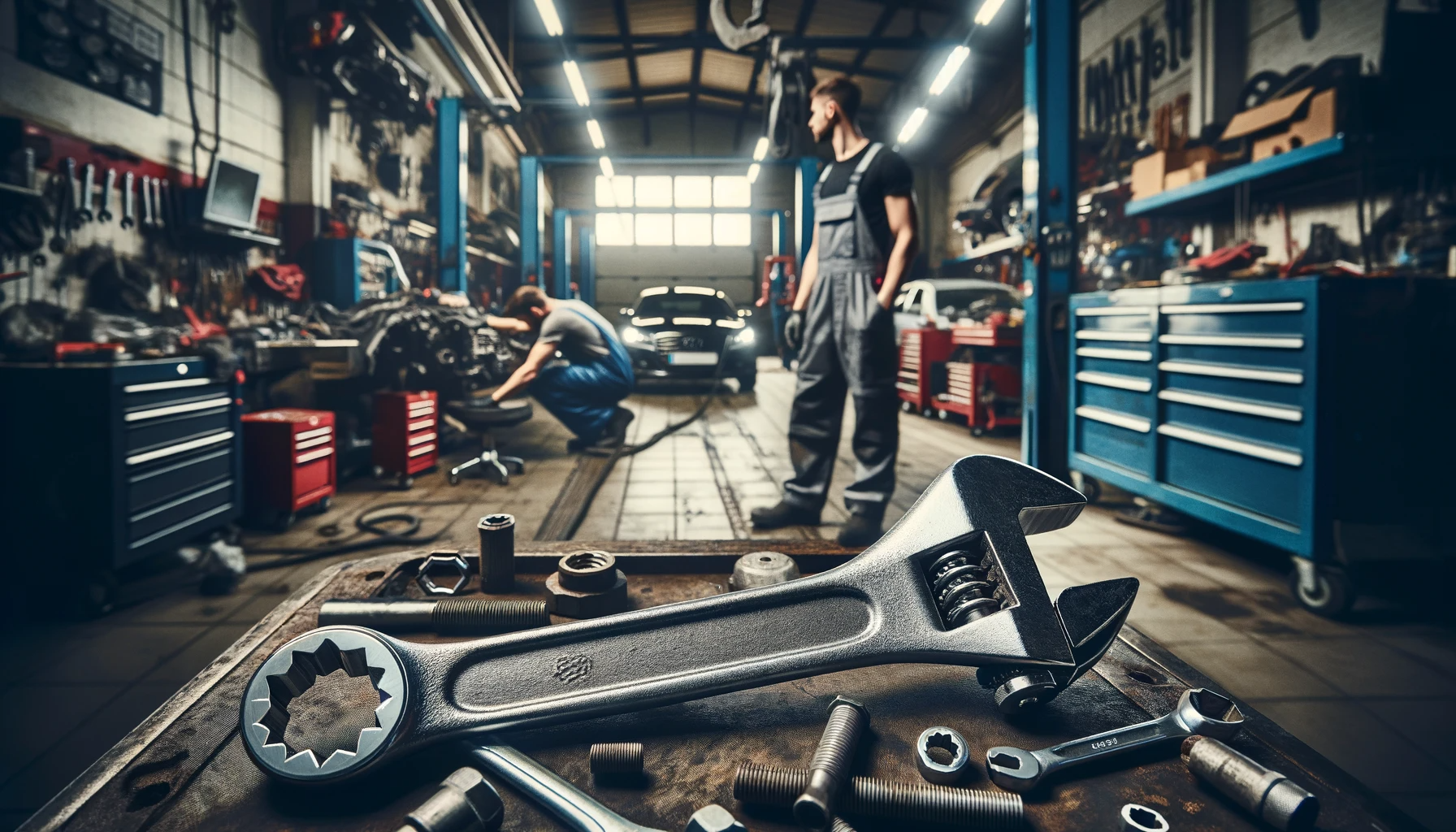
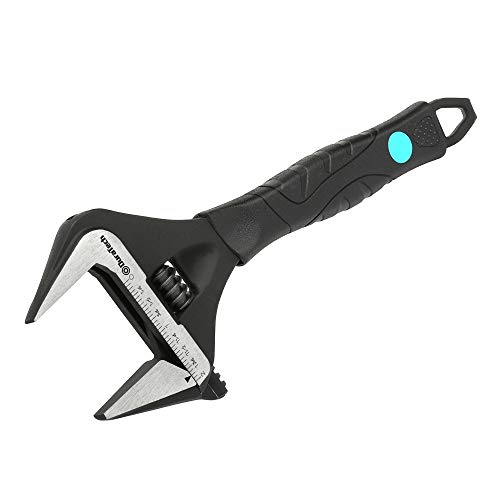
The wrench has a straight handle with one fixed jaw and one adjustable jaw at opposite ends. The fixed jaw grips the nut or bolt while the adjustable jaw slides in to match its size.
A worm gear, which is a small screw mechanism, moves the adjustable jaw so you can dial in a snug fit. The tool is built from steel so it holds up to the force you put on it.
Usage
The monkey wrench earns its keep across plenty of jobs. Turning nuts and bolts is its main role, which makes it a fixture in plumbing, repair work, automotive, and construction. Because the jaw adjusts, one wrench handles fasteners of many sizes.
Tightening pipes or breaking loose a stubborn bolt, this is a tool pros and weekend fixers reach for.
Types
A few different monkey wrenches exist, each suited to certain jobs. Here are the ones you’ll run into most:
Adjustable Monkey Wrench
The adjustable monkey wrench, sometimes called the adjustable end wrench, is the type you’ll see most often. Its jaw slides to fit nuts and bolts of varying sizes, moved by a worm gear that lets you set the fit precisely.
It handles a wide range of tasks, which is why so many trades keep one around. For another specialty design worth knowing, check out what a Z wrench is and where it comes in handy.
Pipe Wrench
The pipe wrench, often called a Stillson wrench after the brand that popularized it, is built for pipes. Sharp serrated teeth on the adjustable jaw bite into the pipe surface and lock on tight.
Plumbers rely on pipe wrenches to tighten and loosen pipe fittings.
Box-End Wrench
The box-end wrench, also known as the closed-end or spanner wrench, wraps fully around the fastener with a box-shaped opening for a firm hold. These usually come in sets covering several sizes, so you’ve always got the right fit on hand.
Offset Wrench
The offset wrench, also called the bent-handle wrench, has a handle that angles away from the head. That bend gives you room to reach fasteners tucked into tight spots, which makes it handy for automotive work.
Evolution of Monkey Wrench
The monkey wrench has changed a lot since it first appeared. Here’s how it got to where it is today.
Early Wrenches
Tools like the English key and the coach wrench came before the monkey wrench. They were big and heavy, which made them awkward to use day to day. Still, they set the stage for the wrench we know now.
Invention of Adjustable Wrench
The adjustable wrench changed everything. You could resize the jaw to fit different bolts, so you no longer needed a separate wrench for every size. Charles Moncky received the first adjustable wrench patent in 1858.
That single change made the tool far more useful and a lot easier to handle.
Improvements over Time
The monkey wrench has kept getting better since then. Makers switched to stronger materials, tighter builds, and smoother adjustment systems. The worm gear that moves the jaw works more cleanly now, so you get steadier, more accurate adjustments.
You’ll find monkey wrenches in plenty of sizes, shapes, and materials to suit whatever job you’re doing.
Famous Brands
A handful of brands have built strong reputations for well-made monkey wrenches and smart designs. Here are the names worth knowing:
Stillson Wrench
The Stillson is the best-known name in pipe wrenches. It started in the United States and shows up constantly in plumbing work.
Stillson wrenches hold up well, bite hard, and handle rough pipe jobs without complaint. Plumbers and DIYers reach for them when they need a serious grip on pipe.
Coes Wrench
Coes goes back to the mid-1800s. As one of the first monkey wrench makers in the United States, the company helped shape the tool’s early years. Coes wrenches are solidly built and accurate, which is why collectors still hunt for them.
Proto Wrench
Proto is a heavy hitter in hand tools, and its monkey wrenches live up to that. The build quality is excellent and the designs are smart, so the tools last and perform.
Tradespeople like Proto wrenches for their accuracy, easy handling, and comfortable grip on tough jobs.
Channellock Wrench
Channellock has a strong reputation, and its monkey wrenches earn it. The handles are shaped to sit well in your hand, and the jaw adjusts smoothly.
These wrenches are tough, last a long time, and grip securely, which is why so many tradespeople trust them.
Notable Applications
The monkey wrench shows up across plenty of trades and jobs. Here’s where it does the most work:
Plumbing
Plumbers lean on monkey wrenches for pipe and fitting work. Tightening or loosening connections, installing fixtures, removing old parts, fixing leaks: the wrench handles all of it.
The adjustable jaw fits pipes of different sizes, and a pipe wrench gives you an even firmer hold on stubborn fittings.
Mechanical Repair
For repair work, the monkey wrench loosens and tightens the nuts and bolts on machinery and equipment.
Engines, appliances, you name it: the adjustable jaw fits a wide range of fasteners. It shines when a socket or box-end wrench just won’t reach.
Automotive
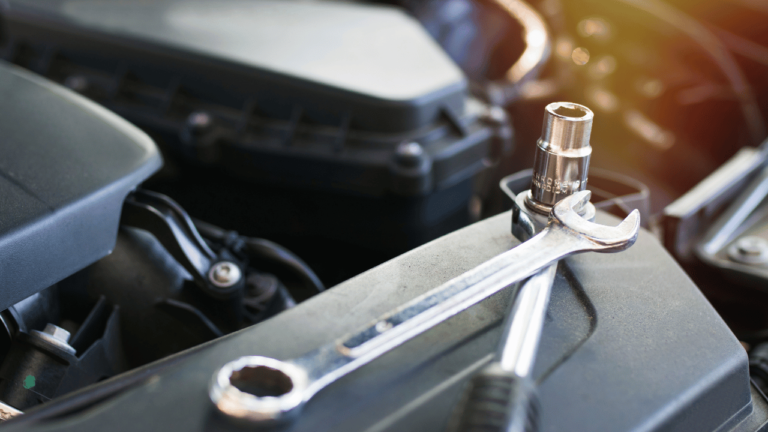
Car mechanics keep monkey wrenches close for all kinds of work. They loosen and tighten nuts and bolts on engines, suspension parts, and more.
Adjustable and offset wrenches really help in cramped spots where a standard wrench won’t fit. They’re a regular part of car repairs and upkeep.
Construction
Construction crews get a lot of mileage out of the monkey wrench’s strength and flexibility. On buildings, bridges, and other structures, workers use it to put up scaffolding, work the bolts in steel frames, and lock fasteners into wood.
Because the jaw adjusts, workers jump between fastener sizes fast, saving time and effort on site.

Differences from Other Wrenches
There are a lot of wrenches out there, but the monkey wrench has its own strengths. Here’s what sets it apart:
Versatility
The biggest draw is flexibility. A socket or box-end wrench fits one size, but the monkey wrench’s adjustable jaw fits all kinds of nuts and bolts. That means you carry one tool instead of a whole set.
Capabilities
The adjustable jaw lets the monkey wrench do more than most wrenches. It grips hex, square, and even rounded-off fasteners, so it covers a lot of ground. The pipe wrench version takes it further with a strong hold on pipe fittings for plumbing work.
Design Differences
The shape gives the monkey wrench an edge. The curved handle improves your grip and gives you more leverage, so it’s easier to crank out torque. The adjustable jaw fine-tunes to fit different nut and bolt sizes, something box-end and socket wrenches can’t do since their sizes are fixed.
Common Misconceptions
The monkey wrench gets used a lot, and a couple of myths about it are worth clearing up.
Usage as a Verb
People sometimes use “monkey wrench” as a verb to mean sabotaging or messing up a plan. The phrase “to throw a monkey wrench into the works” does exist and means causing trouble, but it has nothing to do with how the tool actually works.
The saying comes from the image of someone tossing a wrench into a machine and jamming it up. The tool itself is built to fix things, not break them.
Misidentification as Crescent Wrench
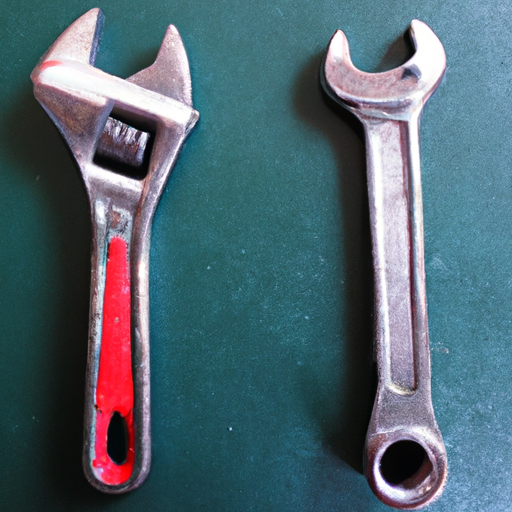
People also mix up the monkey wrench with the crescent wrench. They look alike, but they’re not the same tool.
A crescent wrench moves its jaw with a screw mechanism, while a monkey wrench uses a worm gear. The two names get swapped around a lot, which is where the confusion starts. Knowing the difference helps you grab the right tool.
Safety and Proper Use
Put safety first with any tool, the monkey wrench included. Keep these tips in mind:
Appropriate Torque
Use the right amount of force so you don’t wreck the fastener or the equipment. Crank too hard and you’ll strip threads or snap something; go too light and the connection works loose. Follow the maker’s specs and grab a torque wrench when one is called for.
Checking for Wear and Damage
Check your monkey wrench often for wear and damage. Watch for rust, cracks, or anything else that weakens the tool. If you spot trouble, swap the wrench out right away before it causes an accident.
Avoiding Slippage
To keep the wrench from slipping, make sure the jaw has a tight hold on the fastener before you push. Set the wrench at a right angle to the fastener and keep the jaw centered and snug.
Don’t force it or pull at odd angles. That’s how the wrench slips and your knuckles take the hit.
Modern Alternatives
The monkey wrench is still a dependable pick, but newer tools bring their own perks. Here are a few worth a look:
Adjustable Wrenches
Adjustable wrenches, also called crescent wrenches, work a lot like monkey wrenches. A movable jaw slides to fit different sizes of nuts and bolts. They’re lighter and more compact than monkey wrenches, so they’re easier to carry and work with in tight spots.
Socket Wrenches
Socket wrenches handle jobs that need a lot of torque, like automotive repairs. They pair a ratcheting handle with interchangeable sockets that slip over bolts and nuts. They give you great turning power and precision, but the fixed socket sizes make them less flexible than a monkey wrench.
Ratcheting Wrenches
Ratcheting wrenches give you the ease of a socket wrench along with the adjustability of a monkey wrench.
The ratcheting mechanism lets you tighten or loosen fasteners quickly without resetting the wrench after every turn.
They shine in tight spaces where a standard socket wrench or monkey wrench is hard to swing.
The monkey wrench earns its spot in any toolbox. The adjustable jaw, solid build, and wide range of uses make it a reliable pick for pros and DIYers alike. It handles plumbing, mechanical work, auto repairs, and construction without missing a beat. Next time a stubborn nut or bolt won’t budge, grab your monkey wrench and get it done.
Related posts:
 What Tools Do I Need To Remove An Engine?
 How Do I Know What Size Socket I Need?
 How Do I Choose A Wrench?
 Should I Pull Or Push On A Wrench?
 What Is An Alligator Wrench?
 What Are Automotive Tools Called?
 What Is The Best Socket Set For A Professional Mechanic?
 What Is The Best Scan Tool For Automotive?