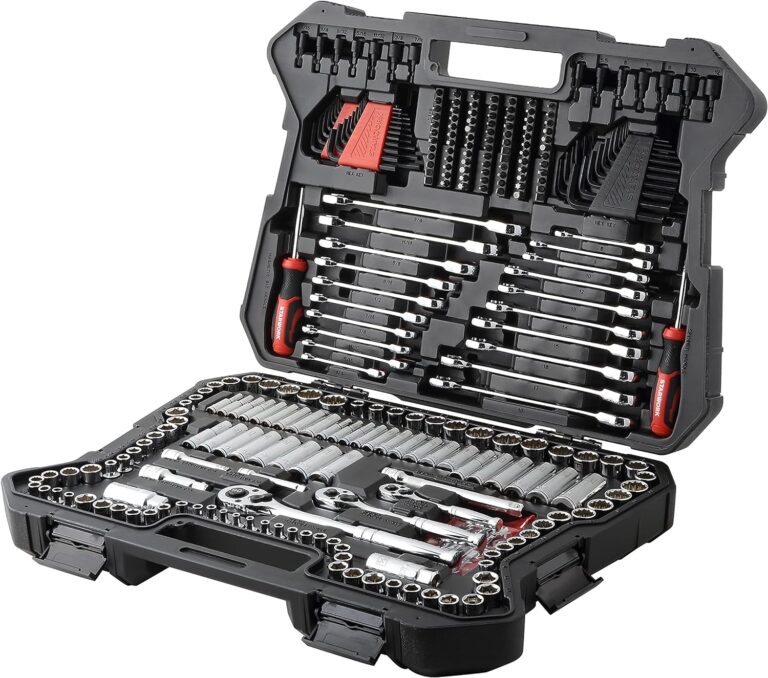

What Sockets Do Mechanics Use?
Disclaimer: This post may contain affiliate links. As an Amazon Associate, we earn from qualifying purchases.
Sockets do a lot of the heavy lifting in any garage or workshop. These small tools handle the everyday job of tightening bolts and loosening nuts so your car or equipment keeps running. Pick the right ones and the work goes faster and easier.
This guide walks through the main types of sockets and when to reach for each one. Let’s get into it.
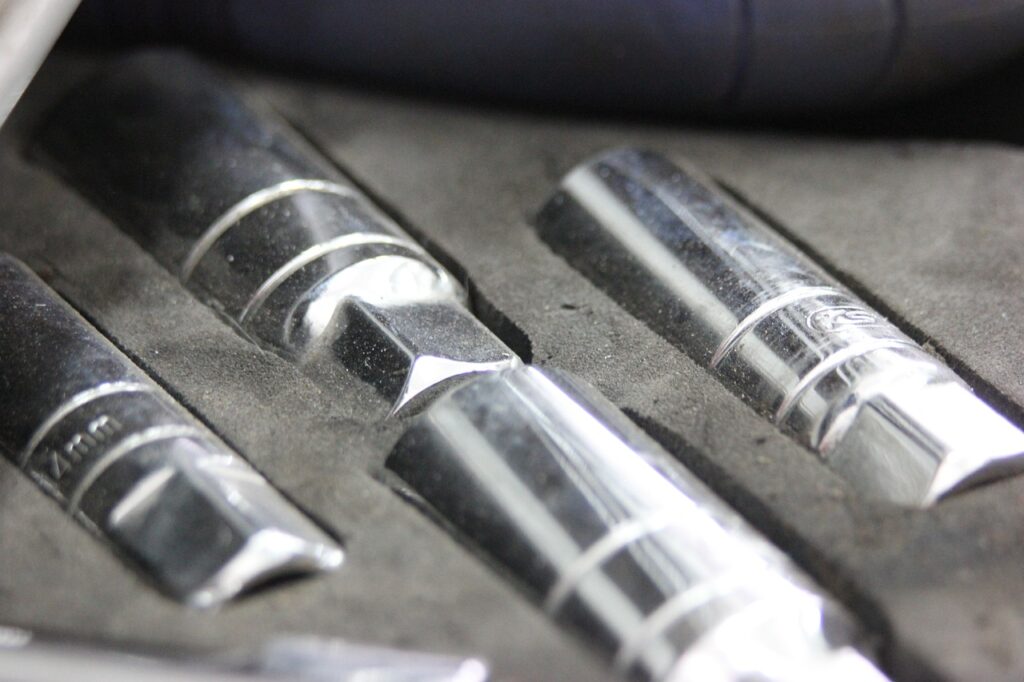
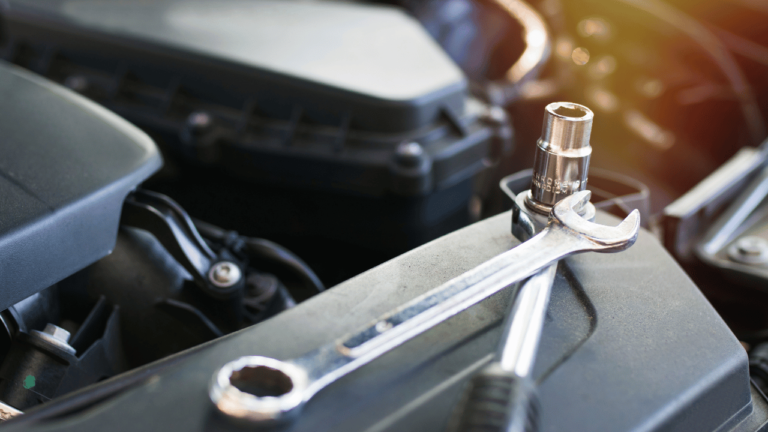
This image is property of pixabay.com.
Impact vs. Standard Sockets
Differences between impact and standard sockets
The difference comes down to how much force each type can take. Impact sockets are built to handle the high torque from power tools like impact wrenches.
They use a tougher, more durable steel that holds up under heavy pounding. Standard sockets are made for hand tools and won’t survive that same level of force.
When to use impact sockets
Reach for impact sockets any time you’re running an impact wrench or air tool. They take the repeated hammering these tools dish out without flinching.
You’ll see them on automotive and industrial jobs where bolts need serious muscle. They’re also the right call for rusted or seized fasteners, since they resist cracking and shattering under heavy force.
When to use standard sockets
Standard sockets, sometimes called hand sockets, pair with ratchets and breaker bars. They work fine when the force needed stays within what your arm can put out. If you want to see how the common drive sizes stack up in real use, our review of 1/4″, 3/8″, and 1/2″ drive tools breaks down which one fits each job.
Think household repairs, furniture assembly, and general maintenance. For smaller jobs that don’t call for high torque, standard sockets are all you need.
Pros and cons of impact sockets
The big win with impact sockets is their toughness under power tools. They’re made from hardened steel like chrome-molybdenum or impact-grade steel, which adds strength and a long working life.
Thicker walls and a black oxide finish help them shrug off rust and last longer. The trade-offs: they cost more than standard sockets, and those thicker walls can keep them from fitting into tight spots.
Pros and cons of standard sockets
Standard sockets shine on lighter work with hand tools. They cost less, which keeps your budget happy for household projects, and they come in more sizes and styles for added flexibility.
The catch is they can’t handle heavy-duty jobs that need high torque. Their thinner walls can crack or snap under too much force, so keep them to the work they’re built for. For a kit that covers both impact and standard socket needs in one box, check out our GEARWRENCH 243 Pc. mechanics tool set review.
Metric vs. SAE Sockets
Differences between metric and SAE sockets
Metric and SAE sockets fit different fasteners because they use different measuring systems. SAE sockets follow the imperial system, while metric sockets follow the metric system.
It comes down to the units: SAE sockets are sized in inches, metric sockets in millimeters.
When to use metric sockets
Metric sockets cover most cars built outside North America. European and Japanese vehicles use metric fasteners, so you’ll need metric sockets for a proper fit on those rides and any gear measured in millimeters.
They come in a broad range of sizes, so you’re covered for plenty of jobs.
When to use SAE sockets
SAE sockets rule in North America, where the imperial system is the standard. You’ll find them on American and domestic vehicles, plus a lot of household appliances and machinery.
For older U.S.-built vehicles and equipment, grab your SAE sockets. They see far less use outside North America and in industries that run on the metric system.
Common applications for metric sockets
Beyond cars, metric sockets show up across aerospace, manufacturing, and engineering work. Any machinery or equipment from a country that uses the metric system calls for them.
They handle smaller stuff too, from assembling furniture to fixing up a bicycle.
Common applications for SAE sockets
SAE sockets cover a wide spread of jobs. They’re a staple for repairing and maintaining older North American vehicles, and they handle household repairs, DIY projects, and routine upkeep.
Tightening bolts on a lawnmower or fixing a leaky faucet, SAE sockets earn their keep around the house.
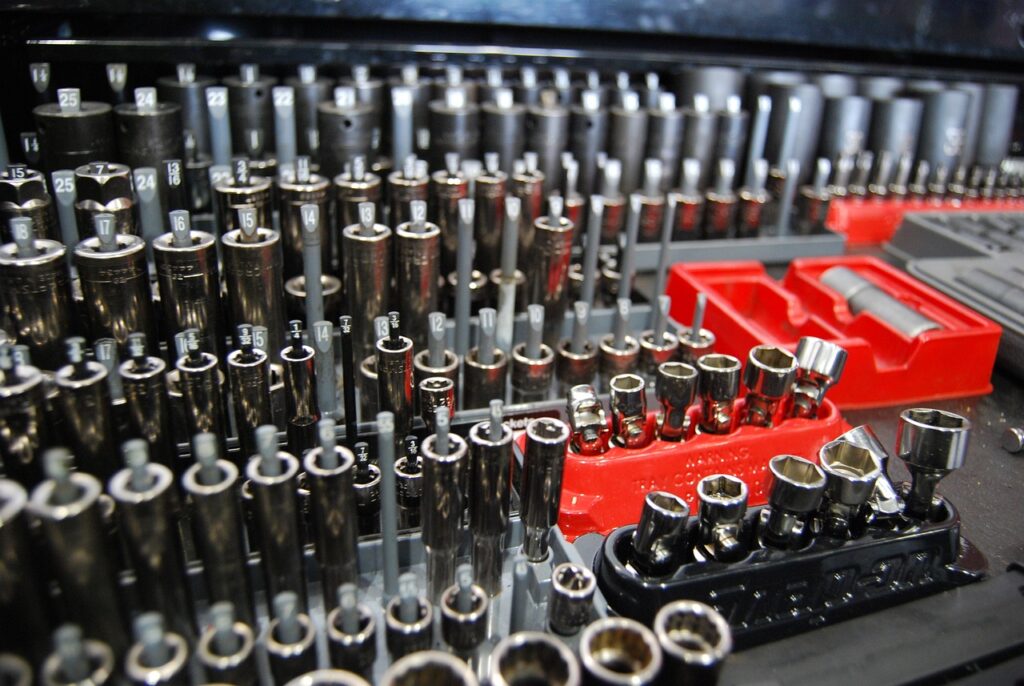
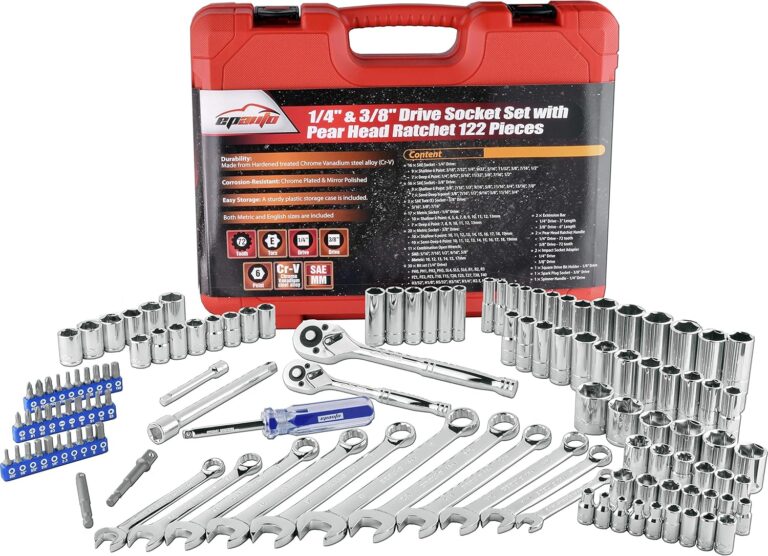
This image is property of pixabay.com.
Socket Materials
Common materials used for sockets
Sockets are made from a handful of different materials, and each one has its own strengths. Knowing what sets them apart helps you pick the right socket for the job.
Chrome vanadium
Chrome vanadium is one of the go-to materials for sockets because it’s strong and built to last. It resists rust and handles heavy use without bending or cracking.
These sockets work well across a wide range of jobs, so they’re a solid all-around choice.
Chrome-molybdenum
Chrome-molybdenum, or chromoly for short, is tougher and holds up better to wear than chrome vanadium. It shines in heavy-duty and high-impact work, which is why it’s the top pick for automotive jobs.
Impact-grade steel
Impact-grade steel is built for power tools like impact wrenches. It’s heat-treated to take a beating without cracking, so reach for these sockets when a job calls for high torque and repeated hammering.
Titanium
Titanium sockets are strong but much lighter than steel. They shrug off rust and high heat without losing their shape, which is why you’ll find them in aerospace work where every ounce counts.
Ceramic
Ceramic sockets are newer and catching on because they don’t conduct electricity or react to magnets. That makes them a smart pick for electrical work where short-circuits or interference are a concern. They also handle heat very well.
Advantages and disadvantages of each material
Every material has its trade-offs. Chrome vanadium and chromoly give you strength and durability for everyday jobs, while impact-grade steel is your best bet for high-torque, repetitive work.
Titanium keeps things light without giving up strength, and ceramic is the safe choice around electricity. Just keep in mind that titanium and ceramic cost more, so weigh that against how often you’ll actually need their special features.
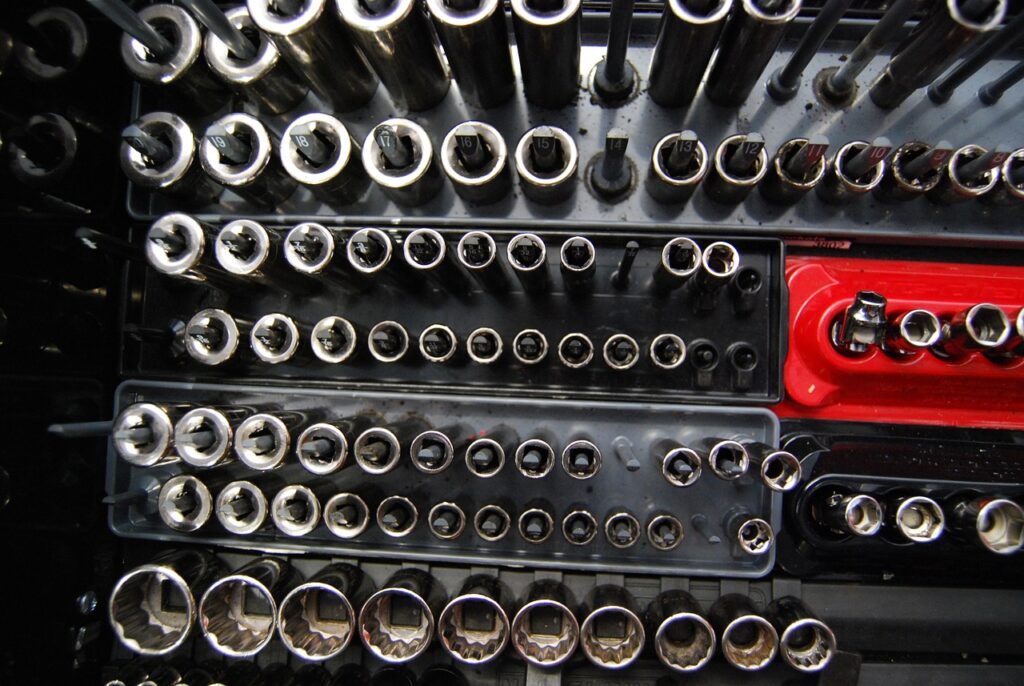
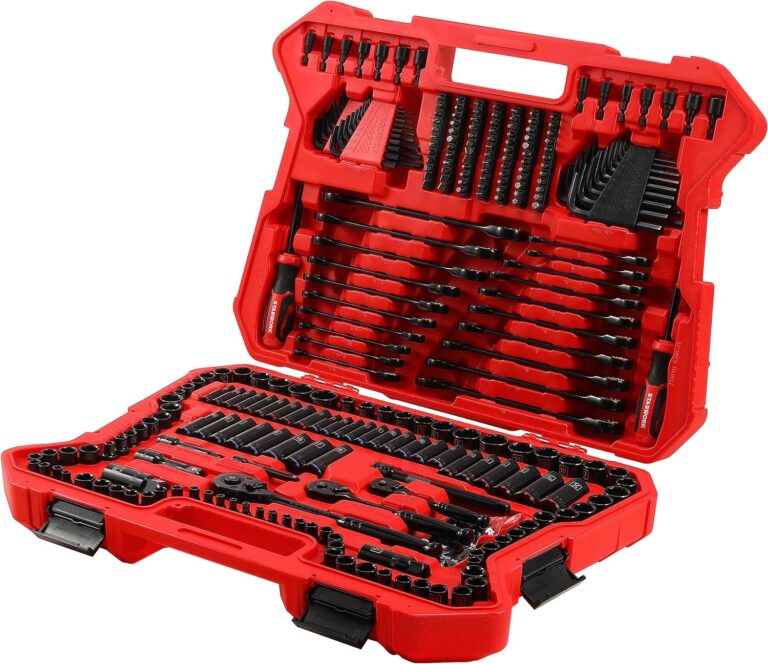
This image is property of pixabay.com.
Related posts:
 How Do I Know What Size Socket I Need?
 What Are The 3 Types Of Sockets?
 What Is The Best Socket Set For A Professional Mechanic?
 What Is An Alligator Wrench?
 205 Piece Mechanics Tool Set Review
 198 Piece Mechanics Tool Set Review
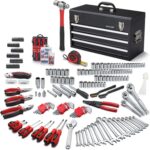 ARUCMIN Mechanics Tool Set Review
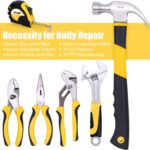 TOPLINE 467-Piece Household Home Tool Sets for Mechanics Review